🇮🇩 Digital Nomad Visa Indonesia
B211A Digital Nomad Visa (Second Home Visa) (B211A Remote Worker Visa / Second Home Visa)
What you need to apply
The honest breakdown
What's good
- Bali has the world's most developed digital nomad infrastructure
- Extremely low cost of living — $1,000-1,800/month for a comfortable life
- Second Home Visa offers up to 5 years
- Fast processing times
- Incredible variety — beaches, mountains, rice terraces, cities
- Massive nomad community for networking and socializing
Watch out for
- B211A requires a visa agent (adds cost and complexity)
- $60,000 savings threshold for Second Home Visa is high
- Internet outside Bali and Jakarta can be unreliable
- 183-day tax residency rule is ambiguous for digital nomads
- Visa regulations change frequently — what applies today may shift tomorrow
- Work from cafes culture is strong but AC offices with fast WiFi are concentrated in south Bali
What it means for your taxes
Indonesia does not tax foreign-source income for non-residents. If you stay 183+ days in a calendar year, you technically become a tax resident, but enforcement on foreign remote work income has been minimal. The Second Home Visa explicitly positions holders as non-tax-resident. Indonesian tax rates run 5%-35% progressive on local income.
Official source: Always verify current requirements at Indonesian Immigration (DGIM) before applying. Regulations change frequently.
Indonesia’s digital nomad options have evolved significantly since 2022. The B211A visa became the de facto remote worker visa, allowing 6-month stays with extensions, while the Second Home Visa launched in late 2022 offering stays of up to 5 years for those with $60,000+ in savings. Together, they’ve formalized what was previously a grey area — thousands of nomads working from Bali cafes on tourist visas.
Bali in particular has become arguably the world’s most popular digital nomad destination, with Canggu alone hosting more coworking spaces per square kilometer than most European capitals.
Why Indonesia works for remote workers
Bali’s appeal is hard to overstate. The south coast (Canggu, Seminyak, Uluwatu) has fiber internet hitting 50-100 Mbps at most coworking spaces, a cafe scene designed around laptop workers, and a social ecosystem where meeting other remote workers happens effortlessly. Ubud offers a quieter, spiritual-leaning alternative in the rice terraces. Sanur is the chill family-friendly option.
Cost of living makes it possible for almost anyone. A private villa with a pool in Canggu runs $500-800/month. A scooter rental is $60-80/month. Eating at warungs (local restaurants) costs $2-3 per meal. Coworking memberships run $100-200/month. Even at a comfortable $1,500/month total, you’re living a lifestyle that would cost $4,000+ in most Western cities.
Application process
For B211A:
- Find a visa agent — you’ll need a local sponsor. Reputable agents charge $200-350 for the full service. Ask in nomad Facebook groups for current recommendations.
- Submit documents — passport scan, photo, proof of funds or employment, health insurance. The agent handles submission to immigration.
- Receive e-visa — typically 3-7 business days. You’ll get a visa approval letter.
- Enter Indonesia — present the approval letter at immigration. Valid for 60 days initially.
- Extend as needed — extensions of 60 days each, up to 6 months total. Your agent handles this.
For Second Home Visa:
- Apply online — through the Indonesian immigration portal with proof of $60,000+ savings, health insurance, and passport.
- Wait for approval — 10-15 business days.
- Enter Indonesia — valid for 5 years with annual check-ins.
Tax implications
Indonesia’s tax treatment of digital nomads is favorable but ambiguous. Non-residents are only taxed on Indonesian-source income. The 183-day tax residency trigger exists on paper, but enforcement against remote workers earning from foreign companies has been minimal. The Second Home Visa was specifically designed to not create tax residency. Still, as Indonesia’s tax authority modernizes, this could tighten. If you’re staying long-term, consult an Indonesian tax advisor.
Tips from nomads who’ve done it
Use a reputable visa agent — the B211A process is straightforward through an agent but a nightmare DIY. Get a local SIM card (Telkomsel has the best coverage) and carry a portable WiFi device as backup. In Canggu, the most popular coworking spaces (Dojo, Outpost, Tropical Nomad) book up — try visiting early morning. Learn to ride a scooter before you arrive or budget for Grab rides. And don’t underestimate rainy season (November-March) — it pours hard for 2-3 hours daily, but the rest of the day is fine. The upside: fewer tourists and lower villa prices.
Last verified: April 2026. Visa regulations change frequently — always verify with the official embassy or consulate before applying.
Common Questions
What's the difference between the B211A and Second Home Visa?
The B211A is a 6-month visa (extendable) with lower financial requirements but needs a local sponsor/agent. It's the go-to for most nomads doing 3-12 month stays. The Second Home Visa is a 5-year visa requiring $60,000 in savings — better for long-term residents who want to avoid constant renewals. Both allow remote work for foreign companies.
Can I work legally from Bali?
You can work remotely for a foreign company on the B211A or Second Home Visa. You cannot work for an Indonesian company, freelance for Indonesian clients, or run a local business. Indonesia has been increasingly clear that remote work for foreign entities is permitted on these visa types.
Does SafetyWing qualify for Indonesia's visa?
For the B211A, SafetyWing's Nomad Insurance is generally accepted since the health insurance requirement is basic. For the Second Home Visa, requirements can be stricter — some applicants have been asked for a local Indonesian health insurance policy. Check current requirements with your visa agent or the immigration office.
Is Bali the only option for digital nomads in Indonesia?
Bali (specifically Canggu, Ubud, and Sanur) dominates the nomad scene, but Jakarta has serious coworking infrastructure and professional networking. Lombok is growing as a quieter Bali alternative. Yogyakarta is the culture pick with ultra-low costs ($600-800/month). For most first-timers, Bali is still the move — the infrastructure is simply unmatched.
Colivings in Indonesia
5 colivings with chapters in Indonesia
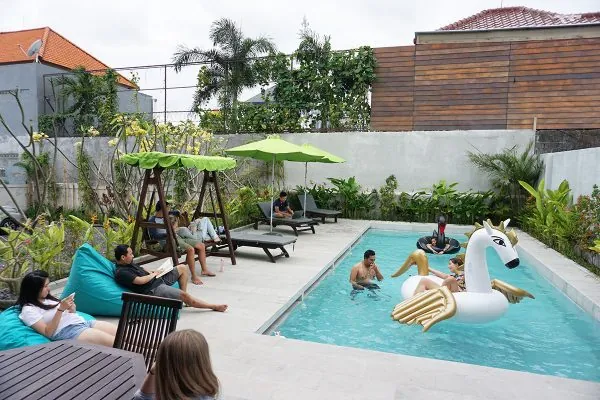
Bali Bustle
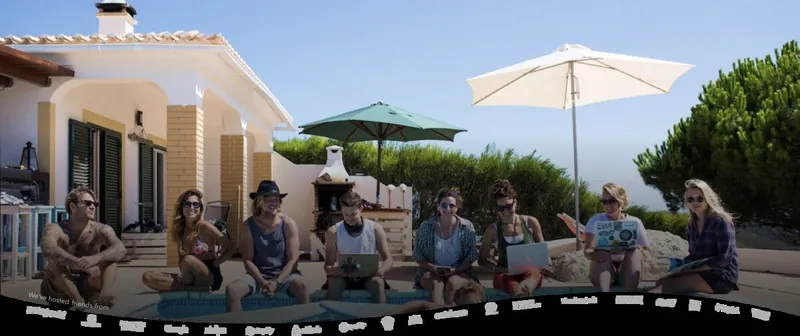
Coworksurf
Noma Collective

Outpost