Coliving in Phuket
Phuket is Thailand's beach-and-work alternative to Bangkok — island life with real infrastructure, growing coworking scene, and the kind of sunsets that make your Zoom background irrelevant.
Phuket is Thailand’s largest island and it splits into two worlds: the tourist west coast (Patong, Karon) with its package hotels and party scene, and the more local south and east side where long-term residents actually live and work. For remote workers, the south — particularly the Rawai-Nai Harn corridor — offers a genuinely pleasant island life: morning swim, work from a cafe or coworking space, sunset at a beach bar, repeat.
The island has improved significantly as a remote work base. Fiber internet has reached most developed areas, coworking spaces have opened in Rawai and Chalong, and the cafe scene is developing. It’s not Bali’s level of nomad infrastructure, but it’s getting there. The Thai food remains the best value proposition — you can eat three excellent meals a day for under $10.
Why Phuket for coliving
The appeal is simple: beach island life at Thai prices with enough infrastructure to actually work. A private room in a coliving space with pool, WiFi, and community runs $300-780/month. The island is big enough (48km long) to have variety — quiet beaches, lively night markets, Muay Thai gyms, yoga studios, and enough restaurants to eat somewhere different every day for months.
The catch is transportation. Without a scooter, you’re stuck. Phuket wasn’t built for pedestrians or public transport. If you’re comfortable on two wheels, the island opens up. If not, you’ll be dependent on Grab and your world will feel small.
The nomad scene
Phuket’s nomad community is smaller and more scattered than Bali’s or Bangkok’s. The main hub is the Rawai/Chalong area where most coworking spaces operate. Regular meetups happen but the community is less organized than purpose-built nomad destinations. The vibe is more independent — people who chose Phuket for the beach lifestyle rather than the community. If you need a strong social scene from day one, Bali or Bangkok might suit you better. If you’re comfortable being self-directed and value beach access over community events, Phuket works well.
Colivings in Thailand
5 colivings with chapters in Thailand
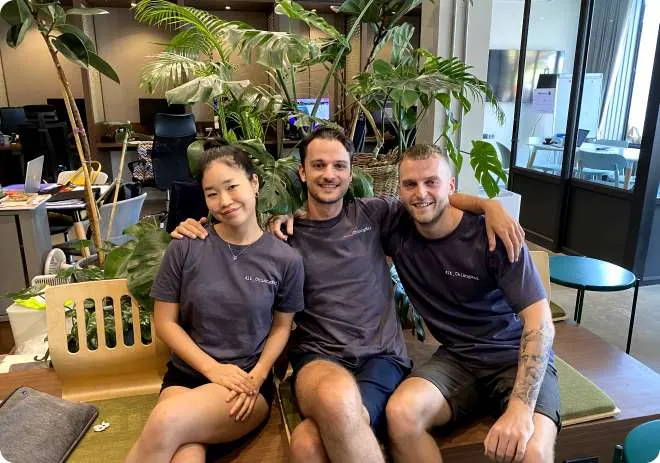
Alt Coliving
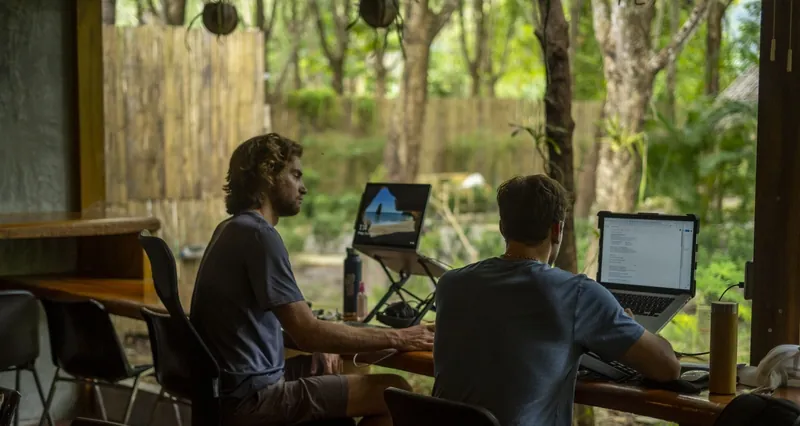
KoHub

The Social Club
The Social Club

Unsettled
Where to stay in Phuket
Rawai / Nai Harn
Southern Phuket. The most popular area for long-term expats and nomads. Rawai seafood market, Nai Harn beach, local gyms, and a growing number of cafes and coworking spots. Less touristy than Patong, more liveable. You need a scooter.
Chalong
Central-south area, practical rather than pretty. Cheaper rents, Big C and Tesco for shopping, gyms, and easy access to multiple beaches. Good base if you want affordability and convenience over beach proximity.
Kata / Kata Noi
West coast beach neighborhoods. Beautiful beaches, some tourist infrastructure, but more relaxed than Patong. A reasonable middle ground between beach access and livability. Rents rise in high season.
Phuket Town
The actual town — Sino-Portuguese architecture, street art, local markets, and the island's best food scene. No beach but the most authentic Phuket experience. Weekend walking street market is excellent. Cheapest area on the island.
Monthly expenses in Phuket
| Private room (coliving) | THB 12,000-30,000/month (~€310-780) |
| Studio apartment | THB 8,000-20,000/month (~€210-520) |
| Coworking membership | THB 4,000-10,000/month (~€100-260) |
| Meal at local restaurant | THB 60-150 (~€1.60-3.90) |
| Coffee | THB 60-120 (~€1.60-3.10) |
| Beer at a bar | THB 80-150 (~€2.10-3.90) |
| Monthly groceries | THB 5,000-10,000 (~€130-260) |
| Monthly transport pass | No public transport — scooter rental THB 3,000-5,000/month (~€80-130) |
Quick facts
Last verified: April 2026. Prices and availability change — always check with operators directly.
Common Questions
Do I need a scooter in Phuket?
Effectively yes. Phuket has no public transport worth mentioning. Grab (ride-hailing) works but gets expensive for daily use. Most long-term residents rent a scooter for THB 3,000-5,000/month. Get an international driving permit and wear a helmet — the roads are dangerous and police checkpoints are real.
Phuket or Bali for remote work?
Phuket has better internet reliability, cheaper food, and less traffic than Bali's south. Bali has a bigger nomad community, better coworking infrastructure, and more cultural depth. Phuket is better for beach-focused, independent workers. Bali is better for community-focused nomads.
Is Patong worth considering?
For remote work, no. Patong is the party-tourist zone — Bangla Road, nightclubs, package tourists. Noisy, overpriced for what you get, and not set up for productive work. Fine for a night out, not for a monthly base. Stay in Rawai, Chalong, or Phuket Town.