Coliving in Fuerteventura
Fuerteventura is the Canary Island for wind and water sports — endless beaches, consistent wind, growing nomad infrastructure, and the kind of empty landscapes that clear your head between Zoom calls.
Fuerteventura is the desert island of the Canary archipelago — long stretches of white sand backed by arid hills, constant wind, and a population density that makes you feel like you’ve left Europe entirely. The beaches are genuinely world-class: Playa de Sotavento stretches for kilometers, Corralejo’s sand dunes feel like a miniature Sahara, and El Cotillo’s lagoons are turquoise and usually empty.
For remote workers, the proposition is clear: cheap island living with enough infrastructure to work, and exceptional conditions for wind and water sports. It’s not the place for people who need urban stimulation, cultural events, or large social scenes. It’s the place for people who want wind in their hair, sand between their toes, and a simple daily routine of work and water.
Why Fuerteventura for coliving
Coliving makes particular sense on Fuerteventura because the alternative — finding your own apartment, dealing with limited infrastructure, potentially being isolated — is harder on a small island. Coliving spaces (Banama being the best-known) provide community, WiFi, transport support, and social structure that solo apartment living here often lacks.
The cost of living is low even by Canary Islands standards. Corralejo has enough infrastructure for daily needs and the beaches are a 10-minute walk from anywhere in town. The wind provides world-class kitesurfing and windsurfing conditions almost year-round.
The nomad scene
Smaller than Gran Canaria but genuine, centered in Corralejo. The community is sports-oriented — kitesurfers, surfers, divers, and runners form the social fabric. Banama coliving runs regular community events and has established Fuerteventura on the nomad map. A few independent coworking spaces serve the growing remote work population. The vibe is relaxed and outdoorsy — less laptop-hustle, more sunset-session. Peak season is November-March when the wind sport conditions and weather combine best.
Colivings in Fuerteventura
3 colivings with chapters in Fuerteventura
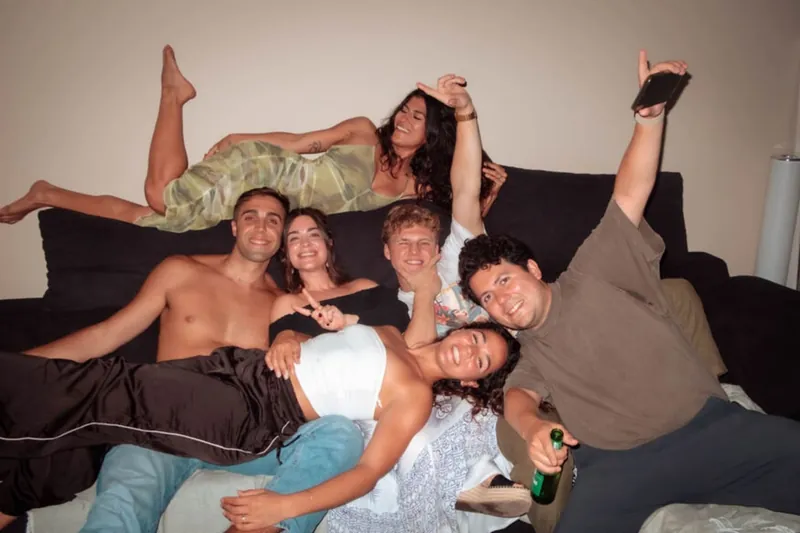
Banama

Coliving and Surfing
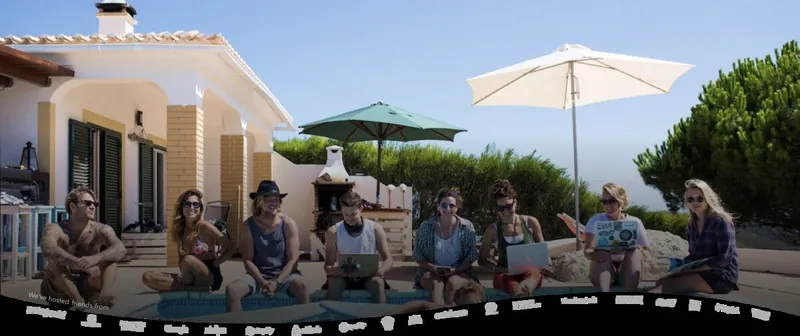
Coworksurf
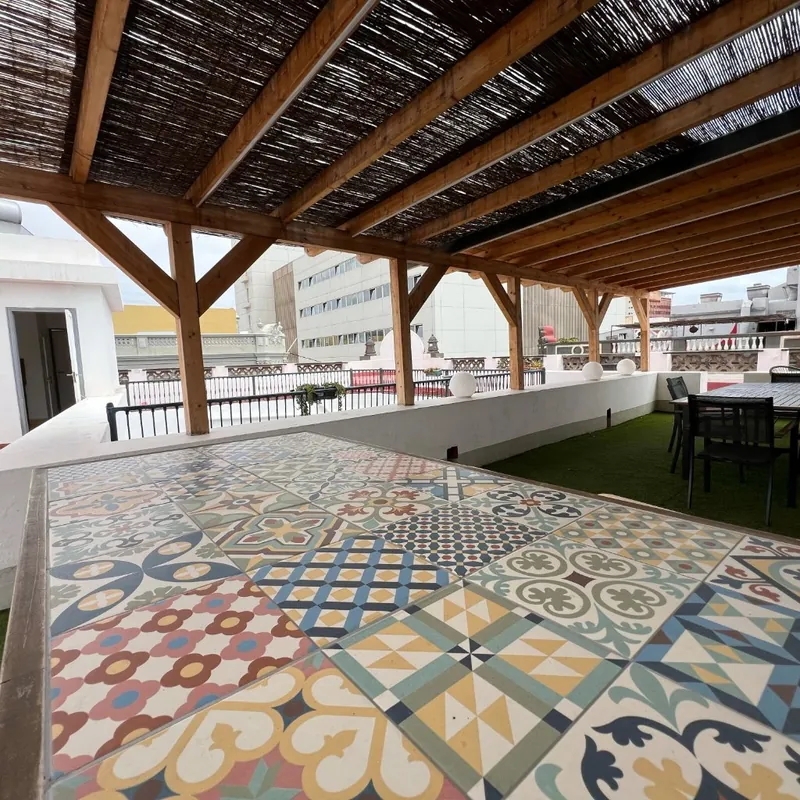
1907 Coliving
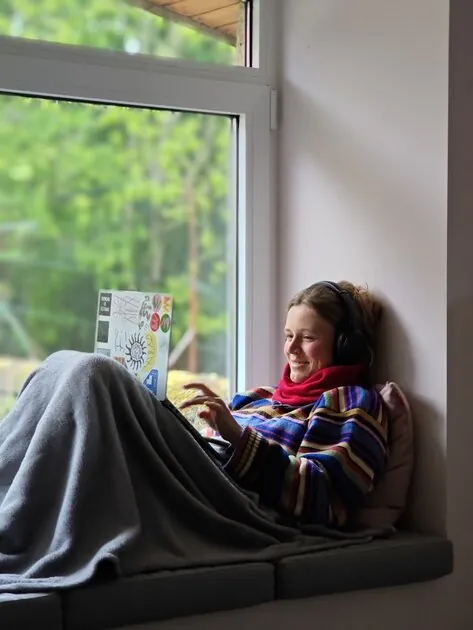
Anceu Coliving
BelVillage
Where to stay in Fuerteventura
Corralejo
The main tourist and nomad town in the north. Good beaches, sand dunes nature park, restaurants, surf schools, and the island's main coliving scene. Small but has everything you need for daily life. Walking-friendly within town.
El Cotillo
Small fishing village on the northwest coast. Famous lagoon beaches, strong surf on the north side, a handful of restaurants and cafes. Very quiet, very beautiful, very limited. Perfect for focused work with beach breaks.
Puerto del Rosario
The island capital — administrative, practical, not pretty. Local prices, real services (hospital, government offices), and a few street art installations trying to liven things up. Not where you want to live but useful to know.
Costa Calma / Sotavento
Southern resort area. The longest beach on the island (Playa de Sotavento) and world-class windsurfing/kitesurfing conditions. More resort-oriented, fewer nomads, but the wind sports are exceptional.
Monthly expenses in Fuerteventura
| Private room (coliving) | €450-800/month |
| Studio apartment | €450-850/month |
| Coworking membership | €70-150/month |
| Meal at local restaurant | €7-12 |
| Coffee | €1.20-2 |
| Beer at a bar | €2-3 |
| Monthly groceries | €200-300 |
| Monthly transport pass | €30 (limited — car essential) |
Quick facts
Last verified: April 2026. Prices and availability change — always check with operators directly.
Common Questions
Is the wind really that constant?
Yes. Fuerteventura is one of the windiest inhabited places in Europe. This is why it's a world-class kite/windsurf destination, but it also means beach days can be sandy and unpleasant. If wind bothers you, Fuerteventura is the wrong island. If you embrace it, the conditions are incredible.
Fuerteventura or Lanzarote?
Fuerteventura for beaches and wind sports. Lanzarote for surf and volcanic landscapes. Fuerteventura is flatter, sandier, and more beach-focused. Lanzarote is more dramatic, more culturally interesting (Manrique's influence), and has better surf. Both are quiet compared to Gran Canaria.
Is there enough nomad community here?
Growing, especially in Corralejo. Banama coliving (one of Europe's established coliving brands) is based here, which has brought regular nomad community. A few coworking spaces operate in Corralejo. The community is small but active, centered around water sports and shared meals. Don't expect Lisbon-level social scene.