Coliving in Palma de Mallorca
Palma de Mallorca is the Mediterranean island city that actually works for remote work — walkable historic center, excellent restaurants, beach access, good flights, and a growing professional expat community.
Palma has evolved from a package-holiday gateway into one of the Mediterranean’s most interesting mid-size cities. The old town is genuinely beautiful — Gothic cathedral, courtyard palaces, narrow streets opening onto tree-lined boulevards — and the restaurant scene has improved dramatically in the last decade. Santa Catalina’s market hall is one of the best in Spain, the waterfront promenade connects neighborhoods by foot and bike, and the airport has more European connections than cities five times its size.
For remote workers, Palma offers a rare island-city combination: beach access, mountain hiking (the Serra de Tramuntana is a UNESCO World Heritage site), and actual urban infrastructure. Unlike smaller islands where you’re locked into a tiny community, Palma is a city of 420,000 with everything you need for long-term living.
Why Palma for coliving
The lifestyle balance is the draw. Morning bike ride along the waterfront, work from a coworking space or cafe in Santa Catalina, lunch at the market, afternoon swim at Can Pere Antoni beach or a cove 30 minutes away, dinner at one of the many excellent restaurants. On weekends, hike in the Tramuntana mountains, explore medieval villages, or take a cheap flight to another European city.
The coliving scene is developing, with a few dedicated spaces operating in and around Palma. The city’s flight connectivity makes it ideal for nomads who need to attend meetings or events across Europe regularly — the airport is 15 minutes from the city center.
The nomad scene
Palma’s remote work community is more established-professional than backpacker-nomad. The expat population includes entrepreneurs, freelancers, and remote workers from Northern Europe (especially Germans, Brits, and Scandinavians) who chose Mallorca for the lifestyle and stayed. Coworking spaces like Werkshop, LOOM, and Rayaworx host the working community. The social scene centers around the Santa Catalina neighborhood, with regular meetups, business events, and outdoor activities. The community is affluent and design-conscious — expect conversations about startups and sailing rather than budget travel hacks.
Colivings in Palma de Mallorca
1 coliving with chapters in Palma de Mallorca
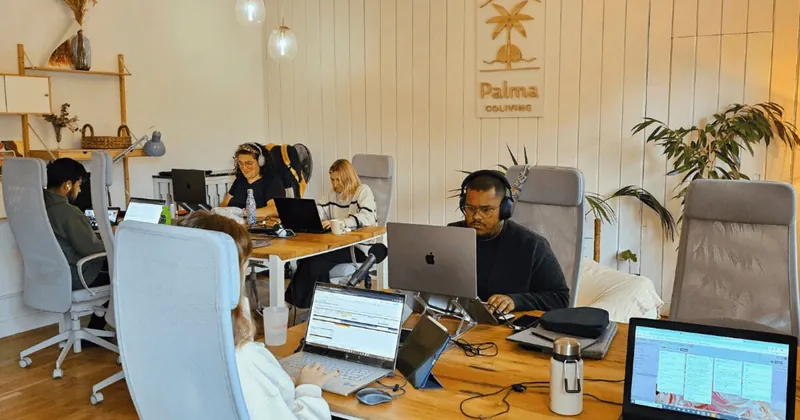
Palma Coliving
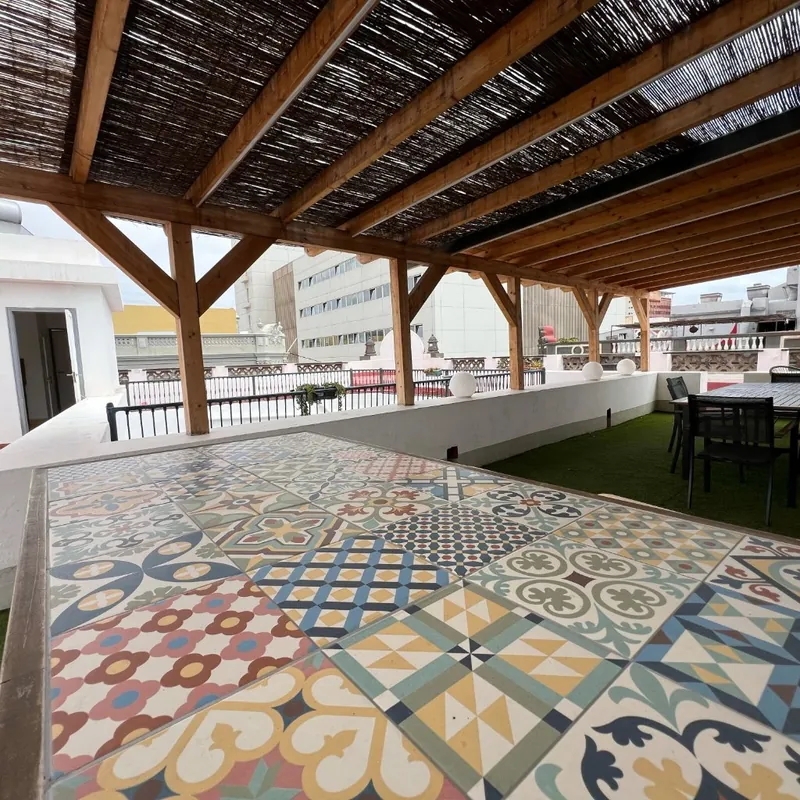
1907 Coliving
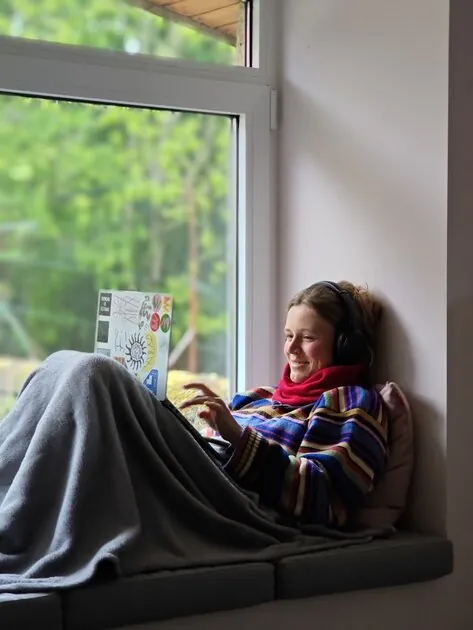
Anceu Coliving
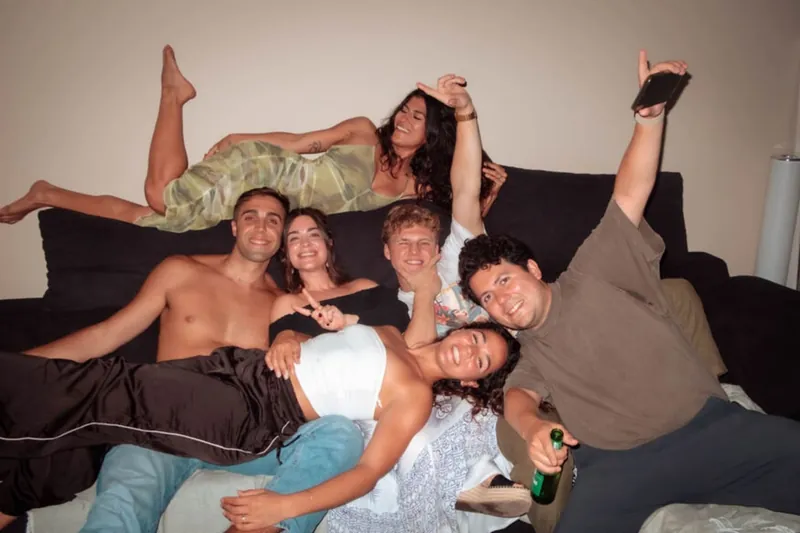
Banama
BelVillage

Bencomo Coliving
Where to stay in Palma de Mallorca
Santa Catalina
The neighborhood most expats and nomads gravitate to. Market hall (Mercat de Santa Catalina), excellent restaurants, pedestrian-friendly streets, and walking distance to both the old town and the sea. The most international area. Higher rents reflect the demand.
Old Town (Casco Antiguo)
The historic center around the Cathedral. Beautiful stone buildings, narrow streets, courtyard apartments, tapas bars, and galleries. Atmospheric and walkable. Apartments are charming but can be dark and old. Tourist foot traffic during the day.
El Terreno
Between Santa Catalina and the Bellver Castle. Hillside neighborhood with views, more residential, some nightlife from the old days. Currently less developed but cheaper and up-and-coming. A 10-minute walk to Santa Catalina.
Portixol / Molinar
Former fishing villages east of the center, now a trendy waterfront area. Promenade walking, seafood restaurants, some of Palma's best cafes. More relaxed than Santa Catalina, still well-connected by bike path.
Monthly expenses in Palma de Mallorca
| Private room (coliving) | €600-1,100/month |
| Studio apartment | €800-1,400/month |
| Coworking membership | €120-250/month |
| Meal at local restaurant | €10-18 |
| Coffee | €1.50-2.50 |
| Beer at a bar | €2.50-4 |
| Monthly groceries | €250-380 |
| Monthly transport pass | €40 |
Quick facts
Last verified: April 2026. Prices and availability change — always check with operators directly.
Common Questions
Is Palma expensive?
By Spanish standards, yes — it's pricier than mainland cities like Seville or Valencia. By northern European standards, it's reasonable. Rents are the biggest expense (€800-1,400 for a studio) and have risen sharply due to tourism pressure and expat demand. Food and daily costs are moderate. Budget €1,500-2,200/month for comfortable living.
Is Mallorca just for package tourists?
That's the stereotype and it's outdated. The package-tourist resorts (Magaluf, S'Arenal) are their own world. Palma is a proper city of 420,000 with a thriving restaurant scene, contemporary art (Es Baluard museum), independent shops, and a professional community. The island beyond Palma has mountain villages, hiking trails, and quiet coves. Don't judge Mallorca by the beach resorts.
How's the flight connectivity?
Excellent — one of Palma's biggest strengths. The airport (PMI) is one of Europe's busiest, with direct flights to virtually every European city. Weekend trips to London, Berlin, or Amsterdam are cheap and easy. This makes Palma a great home base for people who travel frequently for work.