Coliving in Seville
Seville is Andalusia's cultural heart — flamenco, tapas culture, stunning architecture, and an intensity of Spanish life that larger cities have diluted, all at prices well below Madrid or Barcelona.
Seville is the Spanish city that makes you understand why people fall in love with Spain. The architecture (the Alcazar alone is worth the trip), the food culture (tapas here are often still free with a drink), the evening paseo along the Guadalquivir, and the flamenco — not the tourist show kind, but the real kind in Triana tablaos where you stumble on it by accident. This is a city that takes its pleasures seriously.
For nomads, Seville is an excellent value proposition: studio apartments from €550/month, coffee for €1, beer for €2, and a full tapas dinner for €12-15. The internet is fast (fiber is standard), the timezone is European, and the quality of daily life — the food, the weather (outside summer), the beauty of the streets — is exceptional.
Why Seville for coliving
Seville works for people who want deep cultural immersion rather than a nomad bubble. You’ll learn Spanish here (you have to), you’ll eat incredibly well for very little money, and you’ll experience a side of European life that the international-nomad-circuit cities have polished away. The city is also flat and compact — bikeable everywhere, walkable everywhere, and never far from a terrace with a cold cerveza.
The practical infrastructure is solid: fiber internet, a growing coworking scene, an international airport with European connections, and Spain’s Digital Nomad Visa for legal long-term stays. What it doesn’t have is a large English-speaking nomad community. If that’s essential for you, look at Malaga or Barcelona. If you’re ready to integrate into Spanish life, Seville rewards that effort enormously.
The nomad scene
Small but growing. Coworking spaces like Workea and El Cubo operate in the center and Triana. The remote work community is mixed: Spanish freelancers, some European nomads, and a handful of international workers who discovered Seville and couldn’t leave. The social scene is Spanish-language-dominated, which means your community will likely be a mix of locals and Spanish-speaking internationals. Nomad-specific meetups are infrequent — the social life here happens at tapas bars, not organized events.
Colivings in Spain
26 colivings with chapters in Spain
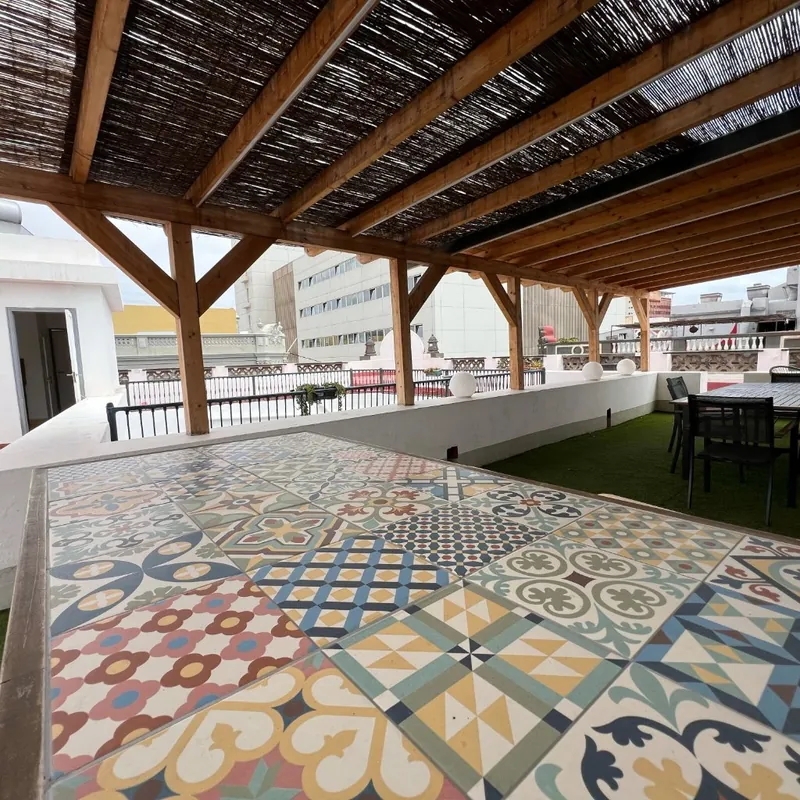
1907 Coliving
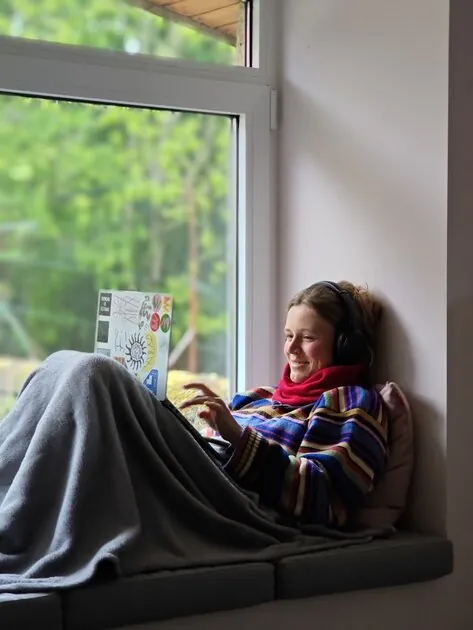
Anceu Coliving

Banama
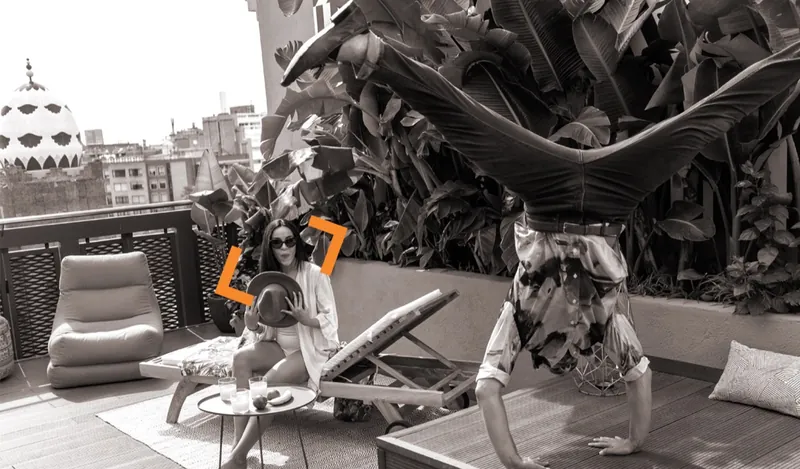
BelVillage
Bencomo Coliving
Cactus Coliving
Where to stay in Seville
Triana
Across the river from the center. The most characterful neighborhood — ceramic tiles, flamenco bars, local market (Mercado de Triana), and a strong community feel. Independent from the tourist center but walking distance. The top choice for long-term residents.
Alameda de Hercules
Seville's alternative scene. The Alameda square fills with terraza bars every evening. Art galleries, vintage shops, and a younger crowd. More affordable than the center, excellent nightlife, and a growing creative community.
Macarena
North of center, genuinely local. Cheaper rents, real neighborhood life, local bars where everyone knows each other. Less tourist-facing but authentic. A 15-minute walk to the center. Good for people who want immersion.
Centro / Santa Cruz
The historic heart — Cathedral, Alcazar, narrow streets. Beautiful but touristy and hot in summer (limited shade and breeze). More expensive and less practical for extended stays, but the charm is undeniable for a first month.
Monthly expenses in Seville
| Private room (coliving) | €400-750/month |
| Studio apartment | €550-950/month |
| Coworking membership | €80-180/month |
| Meal at local restaurant | €7-13 |
| Coffee | €1-1.80 |
| Beer at a bar | €1.80-3 |
| Monthly groceries | €180-300 |
| Monthly transport pass | €35 |
Quick facts
Last verified: April 2026. Prices and availability change — always check with operators directly.
Common Questions
How hot does Seville actually get?
Among the hottest cities in Europe. July and August regularly hit 40-45°C. This isn't a dry heat — it's intense and unrelenting from midday to evening. Locals adapt: everything shuts for siesta (2-5pm), dinner starts at 10pm, and life moves outdoors only after sunset. If heat bothers you, skip June-September entirely.
Can I survive without Spanish?
Barely. Seville is not an English-friendly city. Menus, landlords, government offices, even many cafes — everything is in Spanish. This is part of the charm (it's authentically Spanish) but it means you need at least basic Spanish for daily life. The positive: immersion means you'll learn fast, and Sevillanos are patient and warm with learners.
Is Seville too quiet for nomads?
The nomad community is smaller than Barcelona or Malaga, but the city is far from quiet. Seville has a thriving social culture — it just operates in Spanish and on a Spanish schedule. Tapas with friends at 10pm, drinks until 2am, Sunday morning vermut at a terrace. You'll have a social life, but you'll build it through the local culture rather than nomad meetups.