Coliving in Malaga
Malaga is southern Spain's rising tech and nomad hub — year-round sunshine, affordable Mediterranean living, fast internet, and a cultural scene that keeps improving.
Malaga has transformed from a package-holiday gateway into one of Spain’s most interesting mid-size cities. The old town has been pedestrianized and filled with museums (the Picasso Museum, Centre Pompidou, and CAC Malaga are all excellent). The Soho arts district has genuine creative energy. And the beach is right there — a 10-minute walk from the center gets you to the Mediterranean.
For nomads, the practical appeal is straightforward: 300+ sunny days a year, fiber internet throughout the city, a cost of living well below Lisbon or Barcelona, and Spanish food culture (€1.20 coffee, €8-10 menu del dia for lunch, €2 beer at a tapas bar). The city is big enough to have everything you need (airport with European connections, hospitals, coworking spaces) but small enough to feel manageable.
Why Malaga for coliving
The combination of weather, cost, and improving infrastructure makes Malaga a smart medium-term base. Google’s decision to set up a major office here has catalyzed a broader tech migration, and the coliving and coworking scenes are growing accordingly. Spain’s Digital Nomad Visa makes it possible to stay legally for extended periods.
The food culture is a daily pleasure. Breakfast is a tostada con tomate and cafe con leche for €3. Lunch is a three-course menu del dia for €10-12. Tapas and a beer after work costs €5-8. The espeto (sardines grilled on a stick on the beach) at a chiringuito is a €4 experience you’ll never forget.
The nomad scene
Malaga’s nomad community is smaller than Barcelona’s but more tight-knit. Weekly meetups, coworking events, and language exchanges happen regularly. The community is a mix of European remote workers (many Germans, Dutch, and Brits), Latin Americans, and Spanish freelancers. The city’s growth as a tech hub means the community is becoming more professional and less backpacker-oriented each year.
Colivings in Spain
26 colivings with chapters in Spain
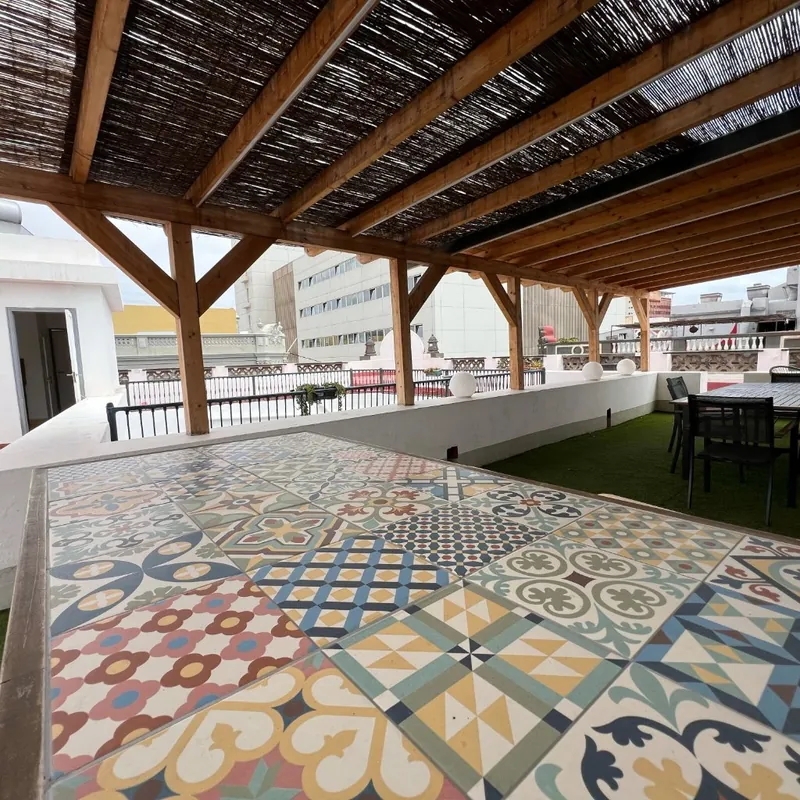
1907 Coliving
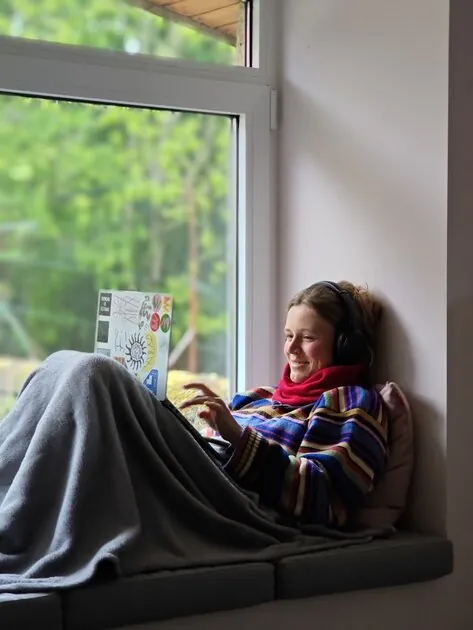
Anceu Coliving

Banama
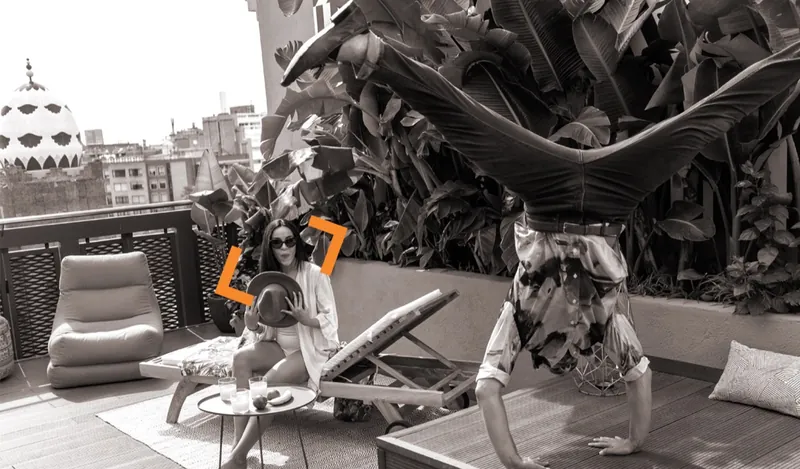
BelVillage

Bencomo Coliving
Cactus Coliving
Where to stay in Malaga
Soho (Arts District)
Malaga's street art neighborhood south of the center. Creative energy, good cafes, walking distance to the beach and the center. Growing number of coworking spaces. Rents are mid-range and rising.
Centro Historico
The old town — beautiful streets, tapas bars, museums (Picasso was born here). Touristy but genuinely liveable. Apartments tend to be older and smaller. Noisy on weekend nights.
El Palo
A former fishing village east of the center, now a laid-back beach neighborhood. Local chiringuitos (beach bars) serving fresh fish. Cheaper rents, more residential, less nomad infrastructure. Good if you want authenticity over convenience.
Pedregalejo
Beach neighborhood adjacent to El Palo. Promenade walking, seafood restaurants, relaxed atmosphere. Popular with expats and students. A nice middle ground between center convenience and beach lifestyle.
Monthly expenses in Malaga
| Private room (coliving) | €500-900/month |
| Studio apartment | €650-1,100/month |
| Coworking membership | €100-200/month |
| Meal at local restaurant | €8-14 |
| Coffee | €1.20-2 |
| Beer at a bar | €2-3.50 |
| Monthly groceries | €200-320 |
| Monthly transport pass | €40 |
Quick facts
Last verified: April 2026. Prices and availability change — always check with operators directly.
Common Questions
Is Malaga cheaper than Barcelona for nomads?
Significantly. Rents are 30-40% lower, food and drink are cheaper, and you get more sun. Barcelona has a bigger nomad community and more cultural cachet, but Malaga offers better value and is catching up fast on the lifestyle front.
How's the tech scene in Malaga?
Growing fast. Google opened a cybersecurity center here, and the Malaga TechPark is one of Spain's biggest. The city is actively positioning itself as a southern European tech hub. This brings jobs, coworking demand, and a professional remote-work community.
Can I get by without Spanish?
In the center and tourist areas, you can manage with English. For daily life — landlords, doctors, government offices — you'll need Spanish or a patient local friend. Malaga is less English-friendly than Barcelona or Lisbon. But that's also why it feels more authentically Spanish.