Coliving in Porto
A guide to coliving in Porto for digital nomads — best neighborhoods, coworking, costs, and tips for remote workers in Portugal's second city.
Why Porto works for coliving
Porto is Lisbon’s cooler, grittier, cheaper sibling. The nomad scene is smaller — which is the point. You get Portuguese quality of life (great food, excellent internet, good weather 7 months of the year, affordable) without the Lisbon-level tourist crowds and rental competition. The coliving market is growing but still manageable — spaces like Porto.i/o and NomadX offer monthly stays.
The city itself is beautiful in a way that feels earned rather than maintained. Crumbling azulejo tiles next to renovated creative spaces, the Douro river carving through granite, and a food culture that’s proudly unfashionable (the Francesinha is objectively ridiculous and absolutely perfect).
The remote work scene
Porto.i/o was one of Portugal’s first coworking spaces and remains a community anchor. CRU Creative Cowork in Bonfim caters to creative professionals. Selina has a Porto location with coworking. Smaller spaces dot Cedofeita and the downtown area. Day passes: €12-20, monthly: €100-200.
Cafe working is embedded in Porto culture. Combi Coffee Roasters, Fabrica Coffee Roasters (multiple locations), and Mesa 325 are laptop-friendly spots with excellent coffee. Porto has a specialty coffee scene that rivals Lisbon’s. The famous Majestic Café is for tourists — skip it for actual work.
What to watch out for
Porto winters are wet. November through February brings frequent rain and temperatures of 8-14°C. The buildings are often uninsulated — expect to work in a sweater. This is genuinely uncomfortable if you’re used to central heating. Budget for a heated coworking space and warm clothing.
The hills are no joke. If you have mobility issues, check your accommodation location carefully. Some streets are cobblestone at 20%+ gradients. Google Maps walking times underestimate Porto.
Rental market is tightening. Tourism converted many apartments to short-term rentals. Finding a long-term lease requires patience — Idealista and OLX are the main platforms. Some landlords still prefer Portuguese-speaking tenants. Having a local contact or using an agent helps.
Colivings in Portugal
14 colivings with chapters in Portugal

Casa Basilico

Homeoffice Madeira

Karma Surf Retreat

Luna House

Nomadico
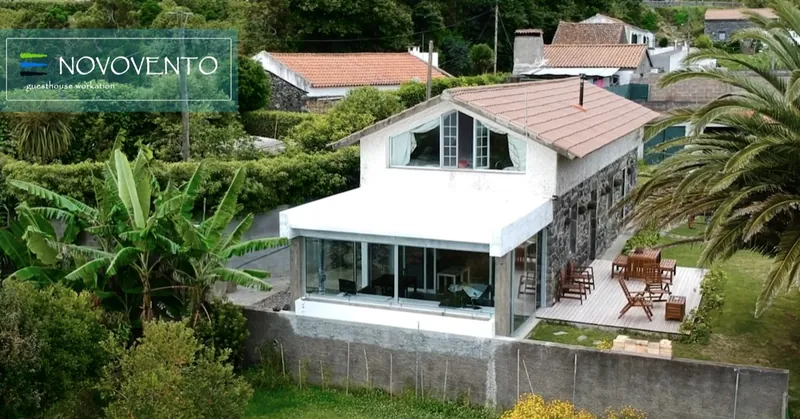
Novovento
Where to stay in Porto
Cedofeita / Bonfim
The local's Porto. Independent shops, Rua Miguel Bombarda's art galleries, the Bolhão market nearby. Growing cafe and coworking scene. Best balance of price, livability, and access to the center. Apartments from €550/month.
Ribeira / Downtown
The UNESCO-listed riverside area. Beautiful but tourist-heavy and noisy. Better for short stays than long-term living. Accommodation is mostly short-term rentals. Views of the Douro are spectacular though.
Foz do Douro
Where the Douro meets the Atlantic. Beach access, calmer pace, more residential. Popular with local families. Less nomad infrastructure but good for focused work. Slightly pricier. Apartments from €700/month.
Campanhã
Eastern neighborhood undergoing rapid regeneration. Former industrial area with new creative spaces opening. Cheapest central option. The new Matadouro do Porto cultural hub is here. Apartments from €450/month.
Monthly expenses in Porto
| Coworking day pass | €12-20 |
| Lunch (prato do dia) | €7-11 |
| One-bedroom apartment (center) | €650-1,100/month |
| Coffee (espresso) | €0.70-1.20 |
| Monthly transit pass (Andante) | €40 |
| Groceries (weekly) | €30-50 |
| Beer (Imperial, 200ml) | €1-2 |
| SIM card (monthly, 15GB) | €10-15 |
Quick facts
Last verified: April 2026. Prices and availability change — always check with operators directly.
Common Questions
Porto or Lisbon for digital nomads?
Porto: cheaper (20-30% less rent), smaller and walkable, less touristy, grittier and more authentic, better port wine (obviously). Lisbon: bigger nomad community, more coworking options, warmer winters, more nightlife, better flight connections. Porto suits people who prefer a smaller, more intimate city.
How's the internet in Porto?
Excellent. Fiber (NOS, MEO) delivers 100-300 Mbps throughout the city. Portugal's internet infrastructure is surprisingly advanced. Coworking spaces and even most cafes have reliable WiFi. Not a limiting factor.
Is Porto affordable?
Relative to other Western European cities, yes. A comfortable nomad life costs €1,500-2,000/month. Porto has gentrified significantly since 2015 — longtime residents will tell you it's become expensive — but by international standards, €7-11 for a full lunch with wine is still remarkable value.
What's the food like in Porto?
Different from Lisbon — heavier, meatier, and built for the cooler northern climate. Francesinha (the legendary gut-bomb sandwich), tripas à moda do Porto, and bacalhau prepared 365 ways. The wine: port from Vila Nova de Gaia across the river, but also excellent Douro reds and Vinho Verde from nearby.
Is Porto walkable?
Yes, but hilly. Very hilly. The Ribeira-to-Cedofeita climb will build your calves. Comfortable shoes are mandatory. The Metro covers 6 lines and is efficient. Buses supplement it well. You don't need a car.