Coliving in Tenerife
Tenerife offers year-round coliving with furnished rooms and shared housing across the island — from surf-friendly Santa Cruz to the quieter south coast. Find flexible stays, room rentals with coworking access, and practical tips for remote workers in the Canary Islands.
Why Tenerife works for coliving
Tenerife has become one of Europe’s top digital nomad islands, and the value proposition is simple: mainland Spanish coliving quality at 30-50% lower cost, with better weather year-round. Winter in Tenerife while the rest of Europe freezes has become a standard nomad move — the island sees its biggest nomad influx from November to March.
The coliving scene is smaller than Lisbon or Barcelona but growing. Nine Coliving in the south is the most established nomad-focused space. Several smaller operators run seasonal coliving in villas around the island. The coworking infrastructure covers the main towns well enough for daily work.
The remote work scene
Coworking San Eugenio (Costa Adeje) is the main hub in the south. In the north, The House of Coworking in La Laguna serves the university-town crowd. Santa Cruz has a few smaller spaces. Day passes run €10-20, monthly €100-200 — significantly cheaper than mainland Spanish cities.
Cafe working is limited compared to Barcelona or Berlin. The tourist south has chain cafes but few laptop-friendly independent spots. Puerto de la Cruz and La Laguna are better for cafe-based work. Most serious nomads use a coworking membership or work from home.
What to watch out for
Island fever is real. Tenerife is 80km long and 50km wide. After 2-3 months, you know every restaurant, beach, and hiking trail. The solution: inter-island travel (La Gomera and La Palma are gorgeous day trips) or flights to mainland Spain/Morocco.
The south coast can feel soulless — all-inclusive resorts and tourist strips don’t make for inspiring neighborhoods. If culture matters to you, base in the north or Santa Cruz and visit the south for beach days.
Getting around the island without a car is possible but limiting. The bus system works for main routes, but exploring Anaga forest, Teide national park, or remote coastal villages requires wheels.
Colivings in Tenerife
7 colivings with chapters in Tenerife

Bencomo Coliving

Cactus Coliving
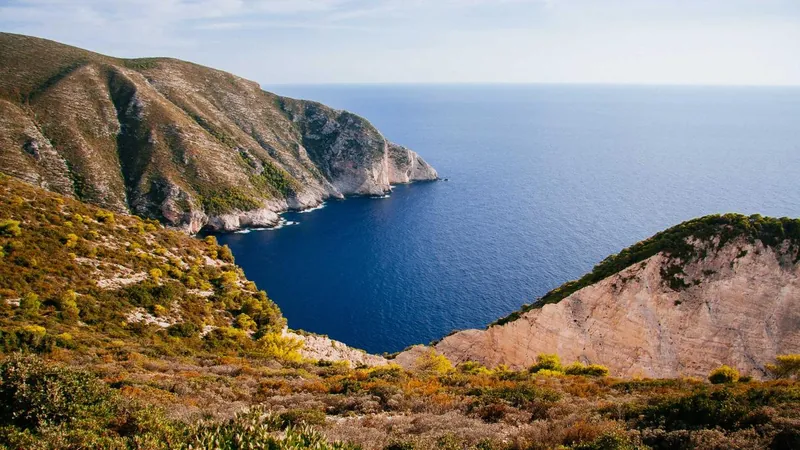
Gato Azul

Ikigai Coliving
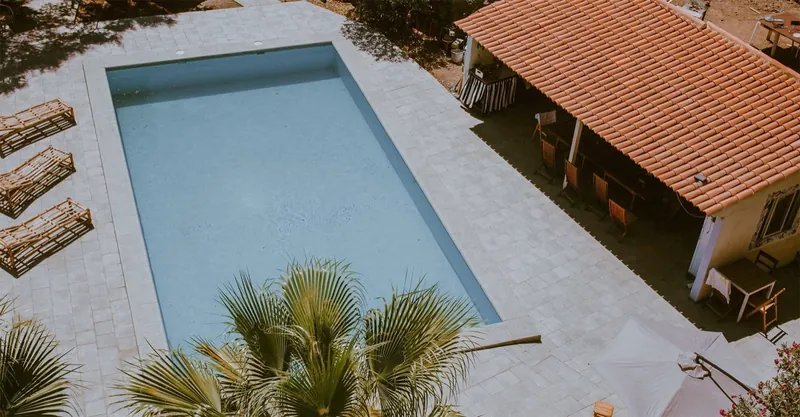
Maraya Coliving
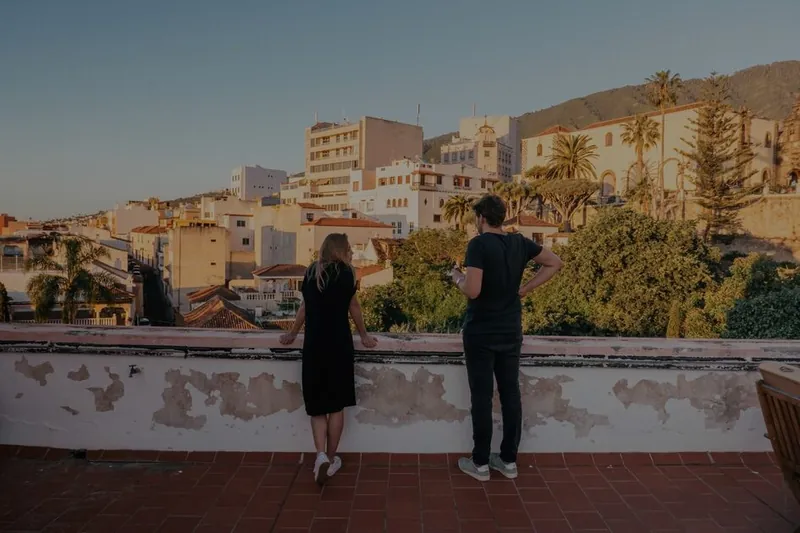
Nine Coliving
Where to stay in Tenerife
Santa Cruz de Tenerife
The actual capital, often overlooked by nomads. Real Spanish city life — cheap tapas, Carnaval culture, locals who don't speak English. The Mercado de Nuestra Señora de África is excellent. Best value for rent on the island. One-beds from €500/month.
Puerto de la Cruz
North coast town with a year-round mild climate. Old-town charm, botanical gardens, black-sand beaches. Small but growing nomad scene. Good fiber internet. More authentic Canarian feel than the south. Studios from €550/month.
Costa Adeje / Playa de las Américas
The touristy south coast — sunny year-round, beach access, resort infrastructure. Nomads base here for the weather and coworking at spaces like Coworking San Eugenio. Feels more like a resort than a city. Apartments from €700/month.
La Laguna
UNESCO World Heritage university town, 20 minutes from Santa Cruz. Colonial architecture, student energy, cheap eats. Good value accommodation. A bit cooler and cloudier than the coast. Studios from €450/month.
Monthly expenses in Tenerife
| Coworking day pass | €10-20 |
| Lunch (menú del día) | €8-12 |
| One-bedroom apartment | €600-1,000/month |
| Coffee | €1.20-2 |
| Monthly bus pass | €50 (TITSA island-wide) |
| Groceries (weekly) | €35-55 |
| Beer | €2-3 |
| SIM card (monthly, 20GB) | €10-15 |
Quick facts
Last verified: April 2026. Prices and availability change — always check with operators directly.
Common Questions
Is Tenerife good for digital nomads?
Very good and improving. Year-round warm weather, cheaper than mainland Spain, fiber internet widely available, and a growing nomad community — especially in the south and Puerto de la Cruz. The main limitation is the island feel — it's small, and you might feel the boundaries after a few months.
North or south Tenerife?
South for guaranteed sun, beach access, and most coworking spaces. North for more authentic Canarian culture, cheaper rents, and slightly greener landscape. The north gets more clouds but the temperature difference is only 2-3°C. Many nomads start in the south and end up preferring the north.
How's the internet in Tenerife?
Surprisingly good. Movistar and Vodafone fiber delivers 100-300 Mbps in most urban areas. Coworking spaces have reliable 50-100 Mbps. Even smaller towns usually have decent ADSL. Mobile data coverage (4G/5G) is excellent island-wide.
Is Tenerife cheaper than the mainland?
Yes. Rent is 30-50% cheaper than Barcelona or Madrid. Groceries are similar or slightly cheaper. The Canary Islands have a reduced VAT rate (IGIC at 7% vs 21% IVA on the mainland), which keeps prices lower on almost everything.
Do I need a car in Tenerife?
Helpful but not essential. TITSA buses cover the main routes. Living in a town center (Santa Cruz, Puerto de la Cruz, Costa Adeje) means you can walk/bus to everything. For exploring the island — Teide, Anaga, remote beaches — you'll want a car. Rentals from €300/month.