🇨🇷 Digital Nomad Visa Costa Rica
Rentista / Digital Nomad Visa (Visa de Nómada Digital (Digital Nomad Law No. 10.008))
What you need to apply
The honest breakdown
What's good
- Territorial tax system — zero tax on all foreign income, no matter how long you stay
- Stunning natural environment — beaches, rainforests, volcanoes, wildlife
- Stable democracy with excellent safety record (no army since 1948)
- 1-year duration, renewable for a second year
- Large and established expat community — easy to integrate
- UTC-6 timezone works well for US-based teams
Watch out for
- $3,000/month income threshold is relatively high for Latin America
- Cost of living is higher than most of Central/South America
- Internet can be unreliable outside the Central Valley
- Driving infrastructure is challenging — roads outside cities are rough
- Rainy season (May-November) is intense on the Caribbean coast
- Limited coworking infrastructure outside San Jose area
What it means for your taxes
Costa Rica uses a territorial tax system — only Costa Rican-source income is taxable. Foreign remote work income is NOT taxed in Costa Rica, regardless of how long you stay. There's no 183-day rule that triggers worldwide taxation. This makes Costa Rica one of the cleanest tax situations for digital nomads globally.
Official source: Always verify current requirements at Costa Rican Immigration (DGME) before applying. Regulations change frequently.
Costa Rica passed its Digital Nomad Law (Law No. 10.008) in 2021, creating a formal visa pathway for remote workers. It was one of the first countries in Latin America to do so, and the program reflects Costa Rica’s long history of welcoming expats — the country already had one of the largest foreign resident communities in Central America before the DN visa existed.
The visa offers one year of legal residence (renewable for a second year) for remote workers earning at least $3,000/month from foreign sources. Combined with Costa Rica’s territorial tax system — which means zero tax on foreign income regardless of residency duration — it’s one of the most tax-friendly setups available to digital nomads.
Why Costa Rica works for remote workers
Costa Rica’s “Pura Vida” lifestyle isn’t just a tourism slogan — it reflects a genuinely relaxed pace of life in one of the safest, most politically stable countries in Latin America. The country abolished its army in 1948 and has invested heavily in education, healthcare, and environmental protection since.
For remote workers, the Central Valley (San Jose area) offers reliable fiber internet (50-100 Mbps), a growing coworking scene, and access to everything you’d need in a modern city. The real appeal, though, is the ability to work from places where howler monkeys are your morning alarm and the beach is a 15-minute walk away. Towns like Santa Teresa, Nosara, and Tamarindo on the Pacific coast have developed enough digital infrastructure to support remote work, with a growing number of nomads calling them home.
Cost of living is higher than most Latin American countries but reasonable by global standards. Budget $1,800-2,800/month for a comfortable lifestyle depending on location — the coast is pricier than inland. The timezone (UTC-6, same as US Central) works perfectly for remote workers on US-based teams.
Application process
- Gather documents — 3 months of bank statements proving $3,000+/month income, employment contract or freelance agreements, health insurance policy covering Costa Rica, criminal background check (apostilled and translated to Spanish), passport copies, 2x2 photos.
- Apply online or in-person — submit through the Direccion General de Migracion y Extranjeria (DGME) website, or at their offices in San Jose if already in-country. You can also apply at a Costa Rican consulate abroad.
- Pay the fee — $100 USD application fee ($50 per dependent).
- Wait for processing — 15-20 business days for initial review. You may be asked for additional documentation.
- Receive approval and register — once approved, if in-country, register for your DIMEX card (foreign resident ID). If abroad, the visa is stamped in your passport at the consulate.
Tax implications
Costa Rica’s territorial tax system is the big win here. Only Costa Rican-source income is taxable. Your remote work for a foreign company? Zero tax in Costa Rica. Freelance income from international clients? Zero tax. Investment income from abroad? Zero tax. There is no residency-duration trigger that changes this — you can live in Costa Rica for years and your foreign income remains untaxed.
The only scenario where Costa Rican tax applies is if you earn income FROM Costa Rica (e.g., renting property in Costa Rica, working for a Costa Rican company). In that case, rates range from 10-25% depending on amount and type. For the typical digital nomad working for overseas clients, your Costa Rican tax obligation is zero.
Remember: zero Costa Rican tax doesn’t necessarily mean zero tax overall. Your home country may still claim taxing rights, depending on your nationality and where you’re tax-resident.
Tips from nomads who’ve done it
The Pacific coast towns (Santa Teresa, Nosara, Tamarindo) have the best nomad communities but the worst internet reliability — get accommodation with a dedicated fiber connection, not shared WiFi, and always have a Kolbi or Liberty SIM card as backup. Rent a car or ATV if living outside San Jose — public transport is limited and ride-hailing is inconsistent in coastal areas. The rainy season (May-November) isn’t as bad as it sounds — it typically rains hard for 2-3 hours in the afternoon and is sunny the rest of the day. Many nomads prefer rainy season for lower prices and fewer tourists. Join the Costa Rica Digital Nomads Facebook group for real-time tips on internet providers, visa processes, and community events.
Last verified: April 2026. Visa regulations change frequently — always verify with the official embassy or consulate before applying.
Common Questions
Is Costa Rica really zero tax on foreign income?
Yes. Costa Rica operates on a territorial tax system, meaning only income generated from Costa Rican sources is taxable. Your remote work salary or freelance income from foreign companies is completely tax-free in Costa Rica, regardless of whether you stay 30 days or 365 days. There's no worldwide income taxation rule. This applies to the digital nomad visa and other residence categories alike.
Where should I base myself in Costa Rica?
San Jose/Central Valley: best internet (50-100 Mbps fiber), most coworking options, urban amenities, but least scenic. Santa Teresa/Nosara: Pacific beach towns with growing nomad communities, decent internet (20-50 Mbps), surf culture, but limited amenities. Tamarindo: beach town with better infrastructure than most coastal areas. Puerto Viejo (Caribbean): laid-back vibes, cheapest coast, but worst internet reliability. Most serious remote workers start in the Central Valley and weekend at the coast.
Can I apply from inside Costa Rica?
Yes. You can apply for the digital nomad visa from inside Costa Rica if you entered on a tourist visa (90-day visa waiver for most nationalities). Apply through the Direccion General de Migracion y Extranjeria. You can also apply at a Costa Rican consulate before traveling.
Does SafetyWing qualify for Costa Rica's digital nomad visa?
SafetyWing's Nomad Insurance is generally accepted for the Costa Rica DN visa application. The requirement is health insurance covering Costa Rica — it doesn't need to be a local Costa Rican policy. Some applicants have also used World Nomads or Genki. Just ensure your policy explicitly shows Costa Rica as a covered region.
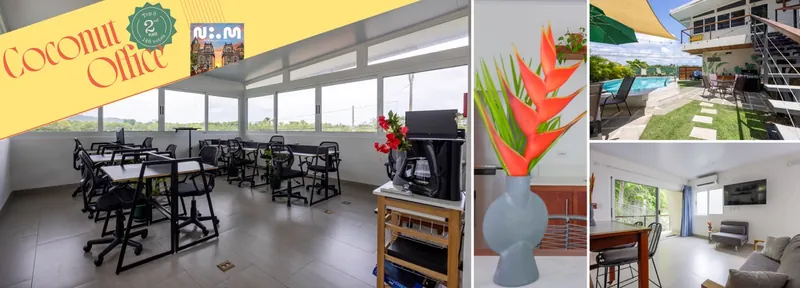
Colivings in Costa Rica
2 colivings with chapters in Costa Rica