Coliving in Las Palmas
Las Palmas de Gran Canaria is Europe's OG digital nomad city — year-round 22-24°C, a 3km city beach with surf, established coworking scene, and a timezone that bridges Europe and the Americas.
Las Palmas has a claim to being Europe’s first true digital nomad city. The combination was obvious once someone pointed it out: spring weather every day of the year, a city beach with actual surf, Spanish food prices, fiber internet, and a timezone that lets you work with both London and New York. Nomads started showing up around 2014 and the infrastructure has built up around them — coworking spaces, coliving houses, community events, and a social scene that makes integration effortless.
The maturity of the scene is both a strength and a weakness. The infrastructure is excellent and you’ll meet people fast. But rents have climbed (beachfront apartments that were €500 in 2016 are now €900+), the community can feel insular, and long-timers sometimes describe a Groundhog Day effect — same faces, same bars, same conversations. Fresh blood and personal initiative keep it interesting.
Why Las Palmas for coliving
The consistency is unmatched. No seasonal planning required — just show up whenever and the weather, the waves, and the community are there. The coliving scene offers furnished rooms with coworking, surfboard storage, community events, and ocean views for €500-900/month. The practical infrastructure (fiber internet, EU healthcare, euro currency, direct flights to Europe) removes the friction that more exotic destinations create.
The Canary Islands’ special economic zone (ZEC) also offers potential tax advantages for businesses registered there, which has attracted a small community of entrepreneur-nomads beyond the typical freelancer crowd.
The nomad scene
One of the strongest in Europe. The community is well-organized with regular meetups, sport groups (surf, hiking, running, volleyball), coworking events, and seasonal conferences. The demographic skews European (Germans, Dutch, Scandinavians, British) with growing representation from the Americas and Eastern Europe. Peak season (November-March) brings the largest community as Northern Europeans escape winter. Summer is quieter but never dead. The social infrastructure means you can go from stranger to connected in under a week.
Colivings in Las Palmas
4 colivings with chapters in Las Palmas
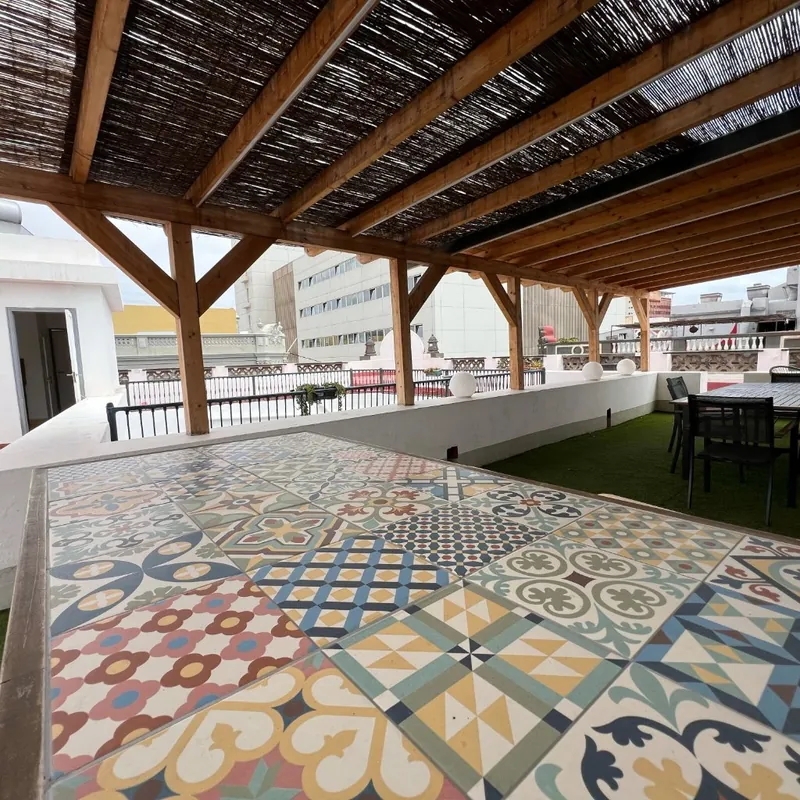
1907 Coliving
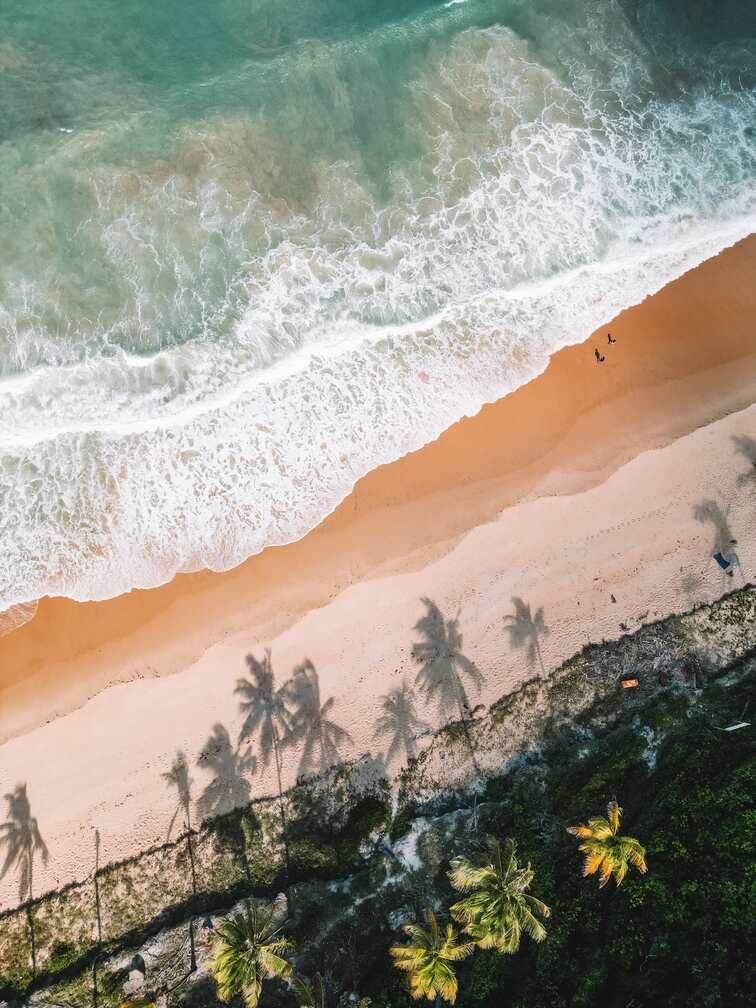
Casa Basilico
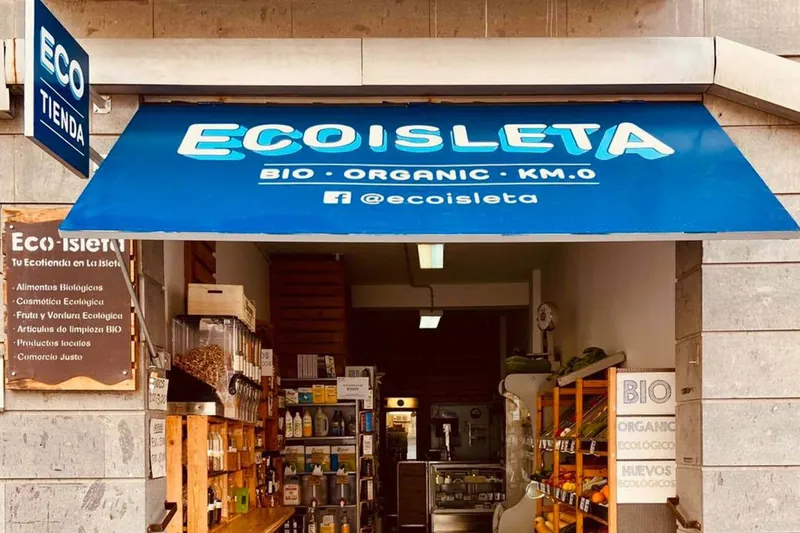
EcoIsleta

Kite and Surf Nomad House
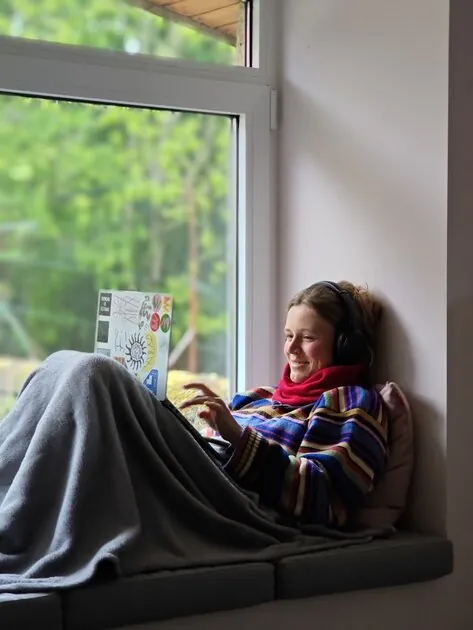
Anceu Coliving

Banama
Where to stay in Las Palmas
Las Canteras
The main beach strip and nomad HQ. Three kilometers of golden sand with a reef that creates consistent surf. Coworking spaces, cafes, and restaurants line the streets behind the promenade. Walk out your door, surf, work, repeat. The most expensive area but the most convenient.
Triana
Historic pedestrian shopping district inland from Las Canteras. Beautiful architecture, the main market, and a mix of local shops and international brands. More affordable than beachfront, 10-minute walk to the sand.
Vegueta
The old town with colonial architecture, the Cathedral, and Columbus Museum. Quieter, more residential, characterful apartments. Sunday morning market is excellent. Less nomad infrastructure but more cultural depth.
Guanarteme
Between Las Canteras and the port. Growing food scene, more local feel, and lower rents than the beach strip. Several coworking spaces have opened here. A solid practical choice.
Monthly expenses in Las Palmas
| Private room (coliving) | €500-900/month |
| Studio apartment | €600-1,100/month |
| Coworking membership | €80-180/month |
| Meal at local restaurant | €7-13 |
| Coffee | €1.20-2 |
| Beer at a bar | €2-3.50 |
| Monthly groceries | €200-320 |
| Monthly transport pass | €30 |
Quick facts
Last verified: April 2026. Prices and availability change — always check with operators directly.
Common Questions
How established is the nomad community?
Very. Las Palmas has been a nomad destination since around 2014-2015. The infrastructure is mature: multiple coworking spaces (Restation, The House, and others), weekly community meetups, sport groups, language exchanges, and the annual Nomad City conference. You can have a social life within 48 hours of arriving.
Is it possible to surf and work?
This is the Las Palmas lifestyle. Las Canteras beach has consistent, beginner-to-intermediate waves right in the city. Dawn patrol surf, then walk to a coworking space by 9am. Or work mornings and surf the afternoon swell. Board rentals and lessons are cheap. The combination of city beach + work infrastructure is rare globally.
Isn't it just a small island?
Las Palmas is a city of 380,000 — bigger than you'd expect. It has everything: hospitals, international airport, shopping malls, cultural venues, and a full restaurant scene. The rest of Gran Canaria (mountain villages, desert dunes, smaller coastal towns) is 30-60 minutes by car. It doesn't feel limiting.