Coliving in Bangkok
Bangkok is the original digital nomad city — cheap, chaotic, endlessly entertaining, with some of the best street food on earth and a coworking scene that's been maturing for over a decade.
Bangkok is where the digital nomad movement arguably began, and it still works. The combination of extremely low cost of living, excellent food, good internet infrastructure (in the right places), and a city that never stops being interesting has kept nomads coming back for over a decade. You can eat three incredible meals a day for under $10, work from air-conditioned coworking spaces for $80/month, and live in a modern studio condo for $300/month. Try doing that anywhere in Europe.
The city is enormous (10+ million people) and can feel overwhelming at first. Traffic is legendarily bad — the BTS Skytrain and MRT subway are your friends, taxis and motorbike taxis fill the gaps. The heat from March to May is genuinely oppressive. And the timezone (UTC+7) makes real-time collaboration with US teams difficult. But if you work with European or Asian clients, or work asynchronously, Bangkok delivers an extraordinary quality of life per dollar.
Why Bangkok for coliving
The value is unbeatable. A private room in a coliving space with coworking, community, cleaning, and WiFi runs $300-650/month. You’d pay that for a coworking membership alone in London. The food culture means you never need to cook — eating out three times a day is cheaper than cooking, and the variety is infinite. Thai food, Japanese, Korean, Indian, Italian — Bangkok has world-class options in every cuisine.
The coliving scene has matured past the party-hostel phase. Dedicated spaces now offer private rooms, serious WiFi, quiet coworking zones, and community events that go beyond beer pong. The Ari and On Nut areas have the highest concentration of nomad-friendly accommodations.
The nomad scene
Bangkok’s nomad community is one of the largest and most established in the world. Coworking spaces like Hubba, The Hive, and WeWork host regular community events. Nomad meetups happen multiple times per week. The community skews younger and more location-independent than European hubs — lots of freelancers, online business owners, and early-stage startup founders. The depth of the community means you can find your niche, whether that’s developers, marketers, writers, or crypto enthusiasts.
Colivings in Thailand
5 colivings with chapters in Thailand
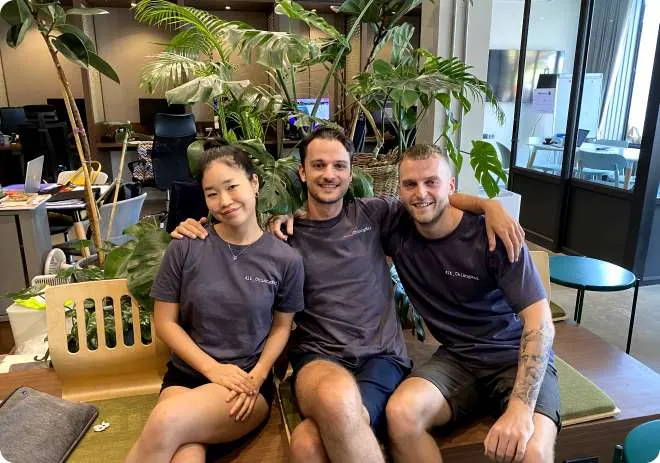
Alt Coliving
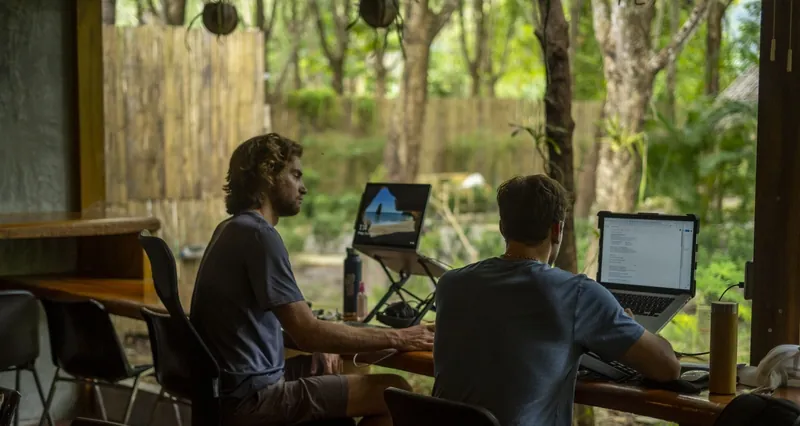
KoHub

The Social Club
The Social Club
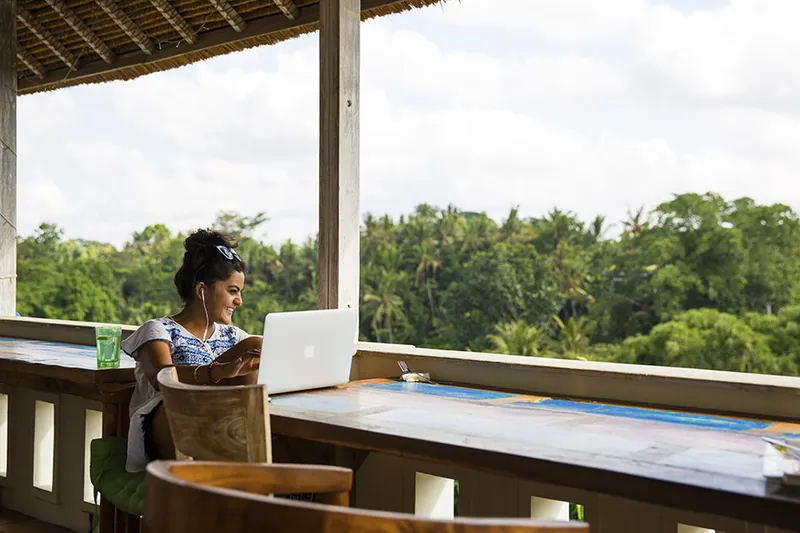
Unsettled
Where to stay in Bangkok
Ari
Bangkok's hipster neighborhood. Tree-lined streets, local coffee shops, Thai-style brunch culture, and a growing number of coworking spaces. Less touristy, more liveable. BTS accessible. The neighborhood most long-term nomads recommend.
Thonglor / Ekkamai
Upscale Thai-international neighborhood. Best restaurants, rooftop bars, modern condos. More expensive than Ari but the food and nightlife are excellent. Popular with Japanese expats and wealthy Thais.
Silom / Sathorn
The business district. High-rise condos, corporate coworking spaces, and proximity to Lumpini Park. More formal, less charming, but well-connected and practical. Better for those who want a business-first environment.
On Nut / Phra Khanong
Further east on the BTS line. Significantly cheaper, still well-connected, growing cafe scene. The budget-conscious nomad choice. Less polished, more local, very liveable. Studios from THB 6,000/month.
Monthly expenses in Bangkok
| Private room (coliving) | THB 10,000-25,000/month (~€260-650) |
| Studio apartment | THB 8,000-20,000/month (~€210-520) |
| Coworking membership | THB 3,000-8,000/month (~€80-210) |
| Meal at local restaurant | THB 50-120 (~€1.30-3.10) |
| Coffee | THB 60-120 (~€1.60-3.10) |
| Beer at a bar | THB 80-180 (~€2.10-4.70) |
| Monthly groceries | THB 5,000-10,000 (~€130-260) |
| Monthly transport pass | THB 1,400 (~€37) for BTS/MRT |
Quick facts
Last verified: April 2026. Prices and availability change — always check with operators directly.
Common Questions
Is Bangkok too chaotic for productive work?
Only if you let it be. The trick is choosing the right neighborhood (Ari or On Nut over Khao San Road) and establishing a routine. Bangkok's chaos is actually concentrated in tourist areas. Residential neighborhoods are surprisingly calm. The coworking infrastructure is excellent and provides a focused work environment.
How cheap is Bangkok really?
You can live well on $1,000/month — that covers a studio condo, eating out twice a day, coworking, and entertainment. Street food lunch is $1.50-2. A pad thai from a street stall is 50 baht ($1.30). Of course, you can spend a lot more at rooftop bars and upscale restaurants, but the floor is very low.
What's the visa situation for long stays?
Thailand has improved significantly. The new Destination Thailand Visa (DTV) gives 180 days for digital nomads with proof of remote employment. The LTR visa offers 5 years for high earners. For shorter stays, the 30-60 day visa-free entry plus extension gets you about 3 months. Border runs are still common but increasingly scrutinized.