Coliving in Gran Canaria
Gran Canaria — and Las Palmas specifically — is one of Europe's original nomad hubs. Year-round spring weather, strong WiFi, a mature coworking scene, and an established international community.
Gran Canaria — specifically Las Palmas — has been a digital nomad destination longer than most people have been digital nomads. The pitch hasn’t changed because it didn’t need to: 22-24°C year-round, a city beach with actual surf, fiber internet in most apartments, Spanish food prices, and a timezone (UTC+0) that overlaps with both European and US East Coast business hours.
The nomad infrastructure here is mature. Multiple coworking spaces operate along and near Las Canteras beach. The community has weekly meetups, sports groups, skill-share sessions, and social events. You can show up knowing nobody and have a social life within days. The flipside of maturity is that rents have climbed — finding a good apartment near the beach under €700/month now requires effort and timing.
Why Gran Canaria for coliving
The weather consistency is the killer feature. Unlike mainland Spain (too hot in summer) or Northern Europe (too dark in winter), Gran Canaria delivers comfortable temperatures every single month. This makes it an ideal base for nomads who hate seasonal planning — just stay, or come back whenever. The Canary Islands’ special tax zone also means lower VAT and some tax advantages for businesses registered here.
The island itself offers variety beyond Las Palmas. Mountain villages, desert landscapes (the Maspalomas dunes look like the Sahara), and smaller coastal towns are all within an hour’s drive. Weekend escapes don’t require a flight.
The nomad scene
Las Palmas has one of the most established nomad communities in Europe. The Restation coworking space has been a community anchor for years. Nomad City conference brings the international community together. Regular meetups cover everything from hiking and surfing to coding and marketing. The community skews European (lots of Germans, Scandinavians, Dutch, and British) with a growing Latin American presence. It’s easy to plug in, but be aware that the long-timers have their own social circles — putting yourself out there in the first weeks matters.
Colivings in Gran Canaria
4 colivings with chapters in Gran Canaria
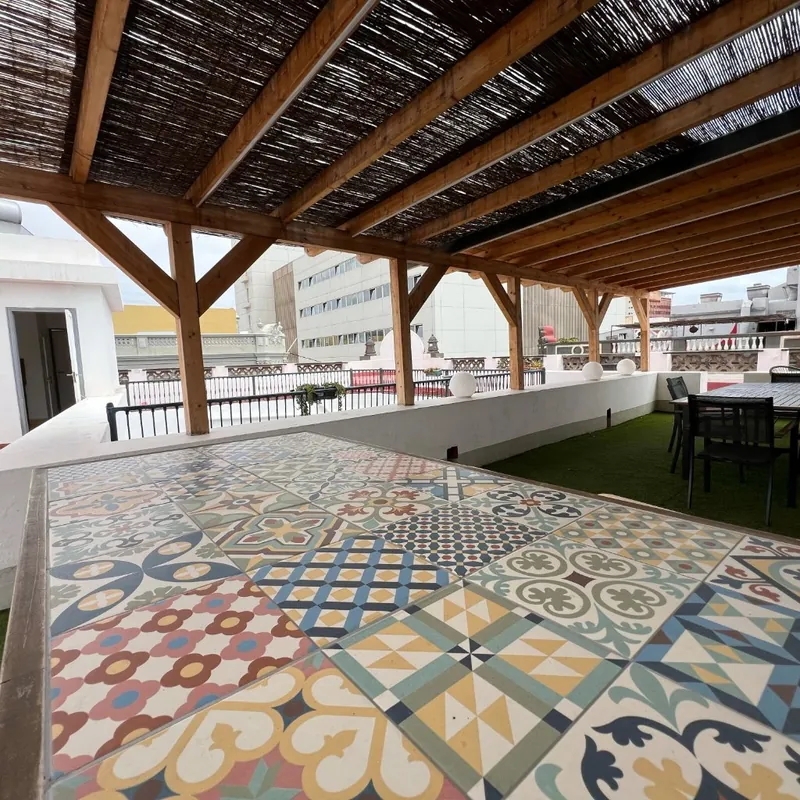
1907 Coliving

Casa Basilico

EcoIsleta

Kite and Surf Nomad House
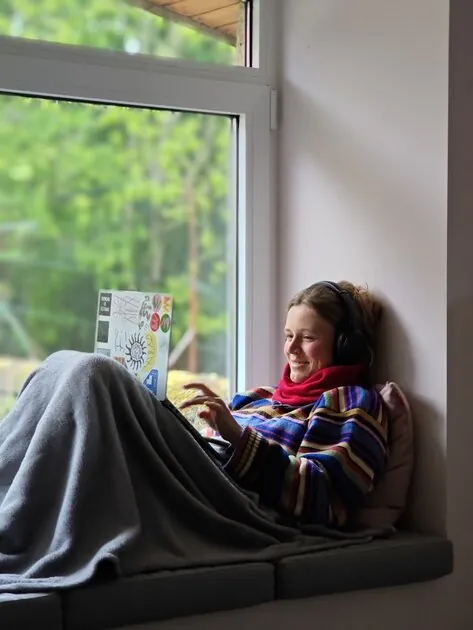
Anceu Coliving

Banama
Where to stay in Gran Canaria
Las Canteras (Las Palmas)
The main beach neighborhood and nomad epicenter. 3km beach promenade, surfing, cafes, and most coworking spaces. Walk out your door, work, surf, repeat. Rents have risen with the nomad influx but it's still great value.
Triana (Las Palmas)
The shopping and cultural district. Pedestrian streets, the Perez Galdos Theatre, local tapas bars. More local character, slightly cheaper than the beachfront. A 15-minute walk to Las Canteras.
Vegueta (Las Palmas)
The historic quarter — colonial architecture, the cathedral, the Columbus museum. Beautiful streets, traditional food, and a quieter pace. Some of the most characterful apartments in the city.
Maspalomas / Playa del Ingles
Southern resort area. More touristy, warmer and drier than Las Palmas, amazing sand dunes. Less nomad infrastructure and more holiday-resort feel. Better for short breaks than a work base.
Monthly expenses in Gran Canaria
| Private room (coliving) | €500-900/month |
| Studio apartment | €600-1,100/month |
| Coworking membership | €80-180/month |
| Meal at local restaurant | €7-13 |
| Coffee | €1.20-2 |
| Beer at a bar | €2-3.50 |
| Monthly groceries | €200-320 |
| Monthly transport pass | €30 (city bus) |
Quick facts
Last verified: April 2026. Prices and availability change — always check with operators directly.
Common Questions
What's the difference between Gran Canaria and Tenerife for nomads?
Las Palmas (Gran Canaria) has the bigger nomad community, more coworking options, and better city infrastructure. Tenerife's south coast is more resort-oriented while the north (La Laguna, Puerto de la Cruz) is more local. Both have great weather, but Las Palmas is more walkable and urban.
Is the nomad scene oversaturated?
Las Palmas has been a nomad hub since 2015 and yes, it's well-established. This means great infrastructure but also rising rents and a community that can feel insular. The upside: you'll meet people fast, find coworking easily, and get local tips from day one. The downside: it can feel like a nomad bubble.
Can I surf and work?
Absolutely — that's the Las Palmas lifestyle. Las Canteras beach has consistent waves right in the city. Morning surf, afternoon work, or vice versa. Several coworking spaces are a 5-minute walk from the beach. Surf schools and board rentals are everywhere.