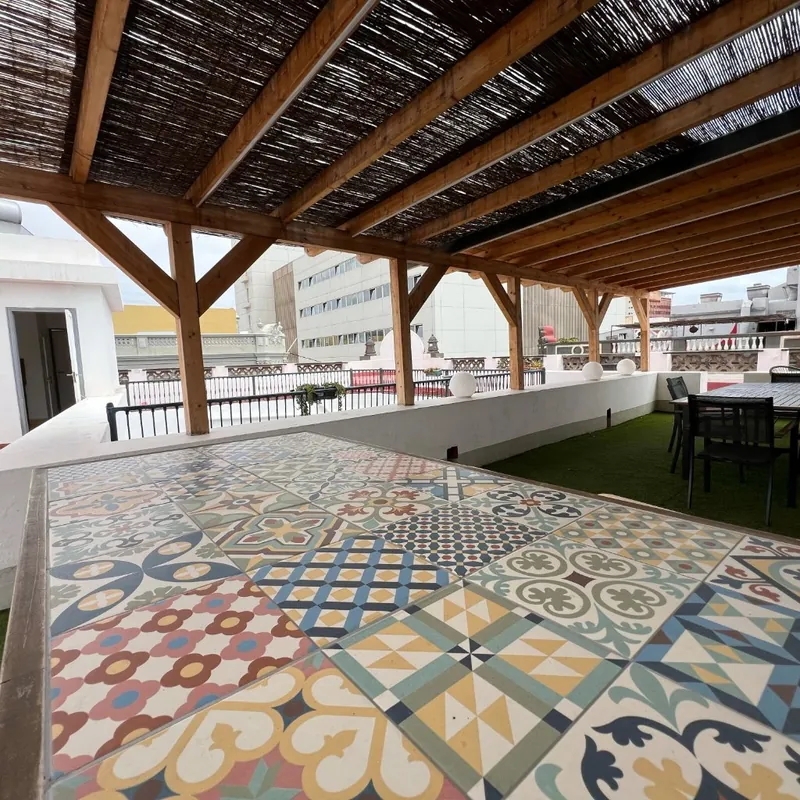
Coliving is a modern housing model where residents have private bedrooms but share common spaces like kitchens, living rooms, and coworking areas. It’s designed for people who want community without sacrificing privacy — particularly digital nomads, remote workers, and freelancers who move between cities.
How coliving works
You apply (most colivings have a short application or intro call), book a room for 1-12 months, and move in. Your room is furnished. WiFi, utilities, and cleaning are included. Some colivings include coworking space, meals, or organized activities. You share a kitchen with 5-20 other residents, cook together sometimes, eat together often, and generally live as a loose community rather than as strangers who happen to share a building.
The minimum stay is usually 1 month. This is intentional — shorter stays don’t give the community time to form. The people who come for a month leave with friends. The people who come for a week leave with acquaintances.
Types of coliving
Permanent colivings operate from a fixed location year-round. Think of them as designed shared houses with professional management. Examples: Sun & Co in Spain, Mokrin House in Serbia, Coconat in Germany.
Pop-up colivings move to a new destination every month or season. They rent a property, set up the space, and bring a curated group together for a time-limited experience. Examples: Casa Basilico, Hacker Paradise, WiFi Tribe.
Coliving networks operate multiple properties across different cities. You can move between locations while staying in the same community. Examples: Selina, Outsite, Noma Collective.
Coliving vs. alternatives
| Coliving | Airbnb | Hostel | Apartment | |
|---|---|---|---|---|
| Stay length | 1-12 months | Days-months | 1-7 nights | 6-12 months |
| Privacy | Private room | Full apartment | Shared dorm | Full apartment |
| Community | Built-in | None | Transient | None |
| Cost (Lisbon) | €700-1,200/mo | €1,200-2,000/mo | €20-40/night | €1,000-1,500/mo |
| WiFi reliability | High (tested) | Variable | Variable | Variable |
| Coworking | Often included | No | Rarely | No |
| Setup effort | Zero | Medium | Zero | High (contracts, deposits) |
Who coliving is NOT for
Coliving isn’t for everyone, and that’s fine. It’s probably not for you if:
- You need absolute silence and control over your living environment
- You’re uncomfortable sharing a kitchen with strangers
- You’re looking for a party hostel experience (most colivings actively screen against this)
- You have a pet (most colivings don’t allow them)
- You need a lease for visa purposes (most colivings don’t provide formal rental contracts)
How to choose a coliving
- Match the vibe. Every coliving has a personality. Some are focused on surfing, others on food, others on deep work. Read the descriptions, check Instagram, and ask in the application call what the community is like.
- Check the WiFi. If you’re working remotely, this is non-negotiable. Ask for speed test results. Anything below 50 Mbps is risky for video calls.
- Read reviews from actual residents. Not Google reviews from day visitors. Look for reviews from people who stayed a month or more.
- Understand what’s included. Some colivings include coworking, meals, and activities in the price. Others charge extra. A €1,200/month coliving with included coworking and dinners might be cheaper than a €800/month one where you pay separately.
- Ask about the application process. Good colivings vet their residents. If there’s no application, that’s a red flag — it means anyone can book, and the community quality is unpredictable.