Coliving in Chiang Mai
A guide to coliving in Chiang Mai for digital nomads — best spaces, neighborhoods, costs, and tips for remote workers in Thailand's northern capital.
Why Chiang Mai works for coliving
Chiang Mai has been the OG digital nomad city since the early 2010s, and the infrastructure reflects it. The coworking-to-population ratio is probably the highest of any city on earth. Coliving spaces, nomad communities, and the entire support ecosystem — visa agents, SIM card shops, English-speaking landlords — have been refined over a decade of nomad traffic.
The cost is the headline: a comfortable life in Chiang Mai costs $800-1,200/month. That includes a private apartment, eating out daily, coworking, and a social life. At $1,500/month you’re living very well by any standard. This lets people with modest freelance income live comfortably while building their businesses.
The remote work scene
Alt Coliving runs two properties (city center and Ping River) with coworking included. Punspace (Nimman and Tha Phae) is the veteran coworking space — reliable, well-equipped, central. CAMP at MAYA mall is a free coworking space (yes, free) on the 5th floor, popular with Thai students and budget nomads. Yellow Coworking in the Old City has a community focus.
Chiang Mai’s cafe scene is exceptional. Ristr8to is world-class specialty coffee. Graph, Akha Ama, and Roast8ry are all laptop-friendly with strong WiFi. The Old City has dozens of quiet cafes in converted traditional houses — perfect for focused morning work.
What to watch out for
Burning season (March-April) is non-negotiable bad. AQI 200+ means headaches, irritated eyes, and visibility under 1km. If you have respiratory issues, do not be in Chiang Mai during this period. Most experienced nomads plan their year around it — Chiang Mai November-February, elsewhere March-May.
Visa management is a constant low-grade hassle. The 30-day exemption is too short, extensions require a trip to immigration, and the DTV visa process needs an agent. Budget $200-300 per visa cycle for agent fees.
The nomad community can be insular. Many people come for cheap living without engaging with Thai culture. Make an effort — learn basic Thai (ขอบคุณ, สวัสดี), eat at local restaurants beyond the nomad cafes, and explore the temples and markets that make Chiang Mai special beyond its WiFi speed.
Colivings in Chiang Mai
4 colivings with chapters in Chiang Mai
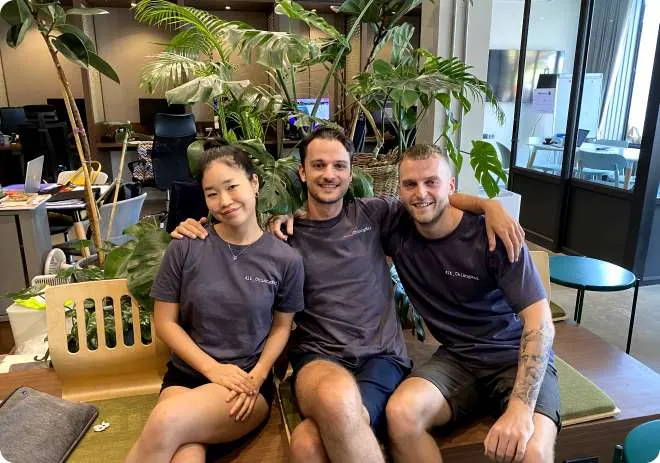
Alt Coliving

The Social Club
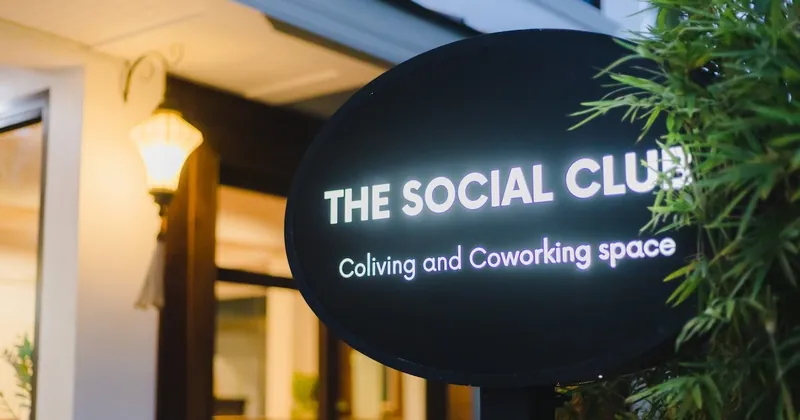
The Social Club
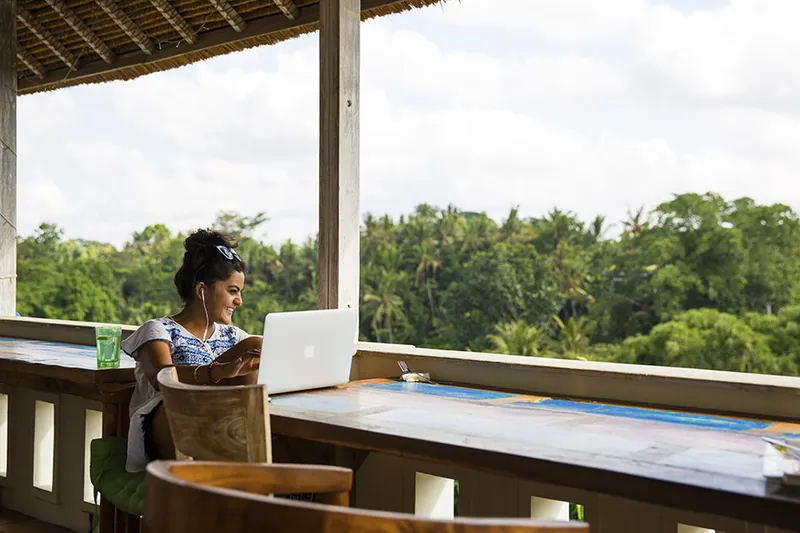
Unsettled
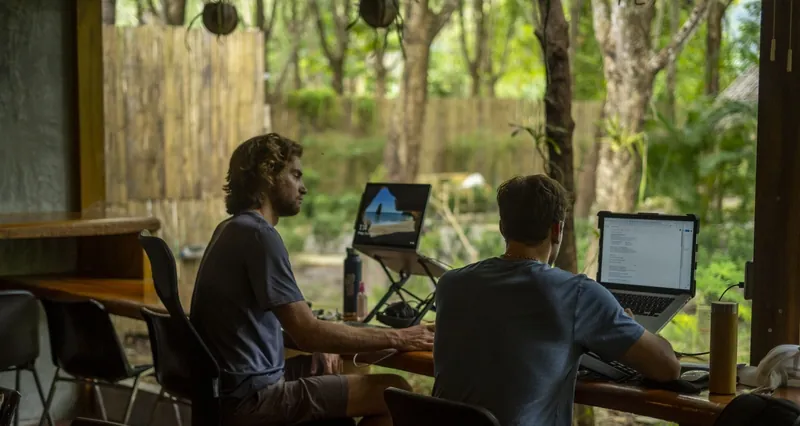
KoHub
Where to stay in Chiang Mai
Nimman (Nimmanhaemin)
The nomad hub. Trendy street with coffee shops every 20 meters, MAYA mall, boutique hotels, and the highest concentration of coworking spaces. Walkable but noisy from construction and traffic. Condos from THB 8,000/month (~€210).
Old City
Inside the historic moat. Temples on every block, night markets, traditional architecture. Calmer than Nimman, cheaper rent, more cultural immersion. Limited coworking but great cafe options. Apartments from THB 6,000/month (~€160).
Santitham
North of the Old City, between Nimman and the moat. Local neighborhood with excellent street food, less tourist infrastructure. Genuine Thai daily life with easy access to nomad amenities. Studios from THB 5,000/month (~€130).
Hang Dong / South Suburbs
20 minutes south of the city. Cheaper villas with pools, quieter lifestyle, mountain views. You'll need a scooter. Less social but better for focused long stays. Houses from THB 10,000/month (~€260).
Monthly expenses in Chiang Mai
| Coworking day pass | THB 200-400 (~€5-10) |
| Lunch (local restaurant) | THB 50-100 (~€1.30-2.60) |
| One-bedroom apartment (center) | THB 8,000-18,000/month (~€210-475) |
| Coffee (specialty) | THB 60-100 (~€1.60-2.60) |
| Motorbike rental (monthly) | THB 2,500-4,000 (~€66-105) |
| Groceries (weekly) | THB 800-1,500 (~€21-40) |
| Beer (large Chang) | THB 60-90 (~€1.60-2.40) |
| SIM card (monthly, unlimited) | THB 300-500 (~€8-13) |
Quick facts
Last verified: April 2026. Prices and availability change — always check with operators directly.
Common Questions
Is Chiang Mai still good for digital nomads?
Yes. It's less of a secret than it was in 2015, but the fundamentals remain strong: world-class cost of living, excellent coworking infrastructure, warm community, and reliable internet. The burning season (March-April) is the main drawback — AQI regularly exceeds 200.
How much does coliving in Chiang Mai cost?
Coliving runs $300-700/month. Alt Coliving offers rooms from €500/month with coworking included. Punspace has coliving packages. Several smaller operators run villa-style colivings for $300-500/month with shared spaces and community events.
What's burning season?
March-April, sometimes extending into May. Farmers burn fields across Northern Thailand and neighboring countries, sending AQI to 150-300+ for weeks. Many nomads leave Chiang Mai during this period — heading to the Thai islands, Bali, or returning to the city in November. It's a serious health concern.
Chiang Mai or Bangkok for remote work?
Chiang Mai: cheaper (40-50% less), tighter nomad community, calmer pace, better air (except burning season), surrounded by mountains and nature. Bangkok: more variety, better nightlife, more professional networking, better international flights. Most nomads trying Thailand start in Chiang Mai.
Do I need a scooter in Chiang Mai?
Within Nimman/Old City, no — everything is walkable or accessible by Grab (Thai Uber). For the city at large and surrounding areas, a scooter transforms the experience. Monthly rental: THB 2,500-4,000 (~€66-105). International driving permit technically required.