Coliving in Tarifa
Tarifa is Europe's southernmost point and a wind-sports capital that's quietly becoming a top coliving destination — small-town charm, Africa visible across the strait, and a growing community of remote workers who come for the lifestyle and stay for the community.
Tarifa sits at the meeting point of the Atlantic and Mediterranean, where Europe almost touches Africa. On a clear day, you can see Morocco from the beach. This geographic uniqueness — combined with world-class wind conditions, a laid-back Andalusian pace, and increasingly good digital infrastructure — has attracted a small but dedicated community of remote workers.
Best time to visit
The shoulder seasons are golden. May-June offers warm weather (22-28°C), long days, manageable wind, and the town hasn’t yet filled with summer tourists. September-October is similarly pleasant with the bonus of warm ocean water from the summer heat. July-August brings peak wind, peak crowds, and peak prices — the population triples and accommodation costs spike. Winter (December-February) is mild by European standards (12-18°C) with occasional rain, and the town is beautifully quiet. Some colivings reduce rates by 30-40% in the off-season.
Nomad community scene
Tarifa’s nomad community is small but genuine. With a town population of around 18,000, you’ll recognize faces quickly. The community bonds over wind sports, sunset sessions on the beach, and shared meals. Several coliving spaces have established themselves, offering packages that combine accommodation, coworking, and activities like kite lessons or yoga.
The scene is less “grind culture” and more lifestyle-focused. People come to Tarifa for the outdoors first and happen to work remotely. This creates a different energy than pure nomad hubs — conversations are as likely to be about wave conditions as product launches. The international mix is heavily European, with strong Spanish, German, and Scandinavian representation.
Internet and coworking
Internet has been Tarifa’s weak spot historically, but it’s improving. Fiber optic connections are being rolled out across the town, and newer colivings are well-connected with 50-80 Mbps. Older apartments in the casco antiguo may still rely on slower ADSL connections — always check before signing a lease.
Coworking options are limited but growing. A few dedicated spaces operate in town, and most colivings include workspace. Several cafes are laptop-friendly during quieter hours. For critical video calls, coworking spaces are the safe bet. Mobile data via Movistar, Orange, or Vodafone provides decent 4G coverage as backup. The limited coworking infrastructure is the trade-off for living in a small, beautiful town rather than a city.
Colivings in Tarifa
1 coliving with chapters in Tarifa
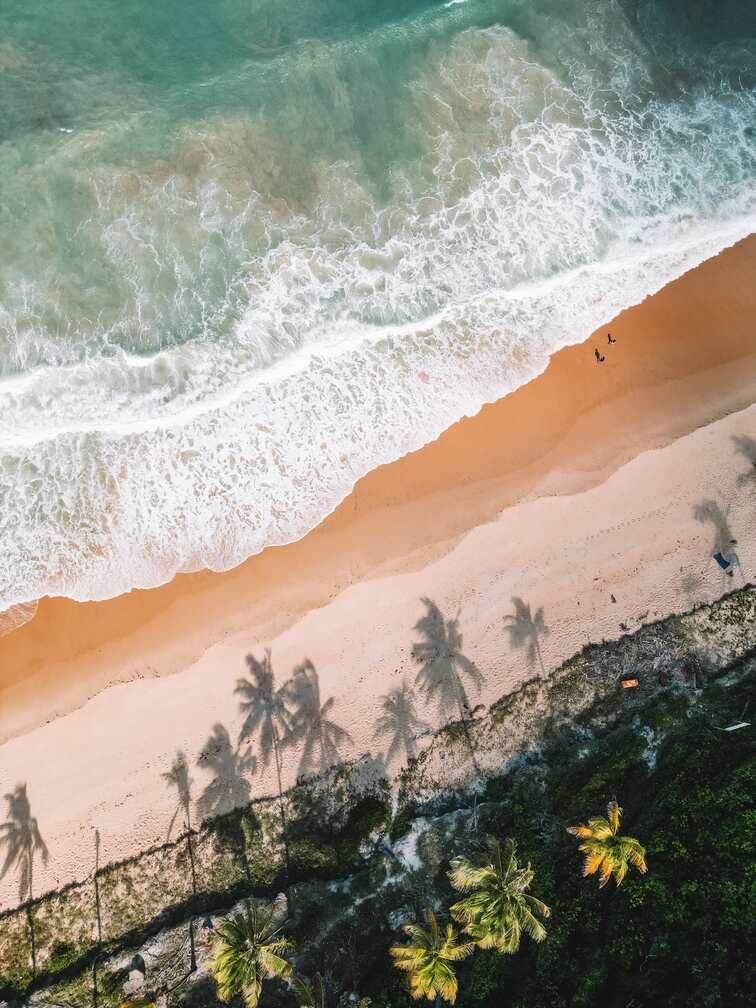
Casa Basilico
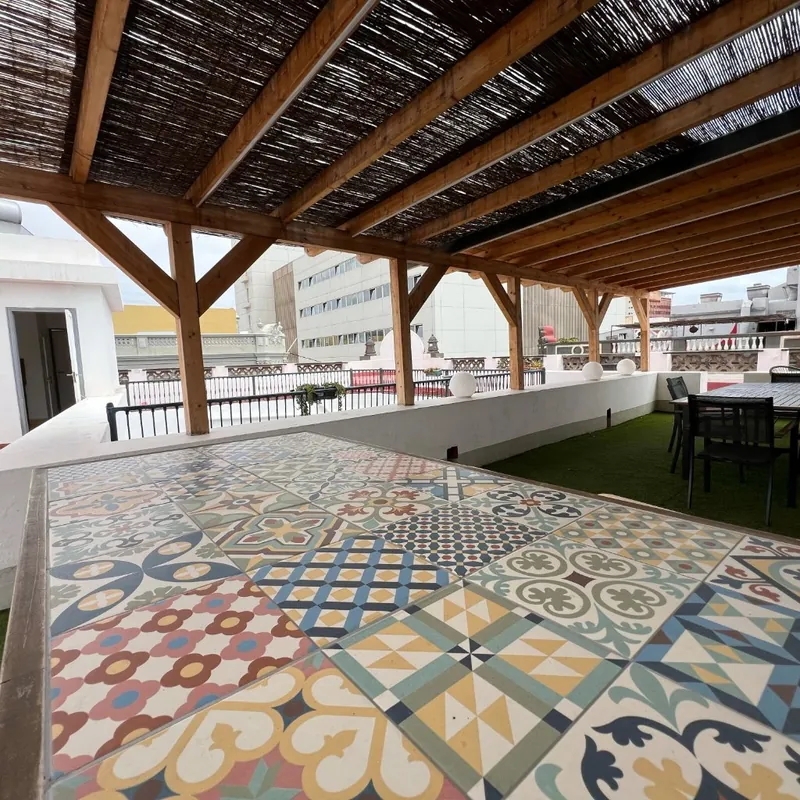
1907 Coliving
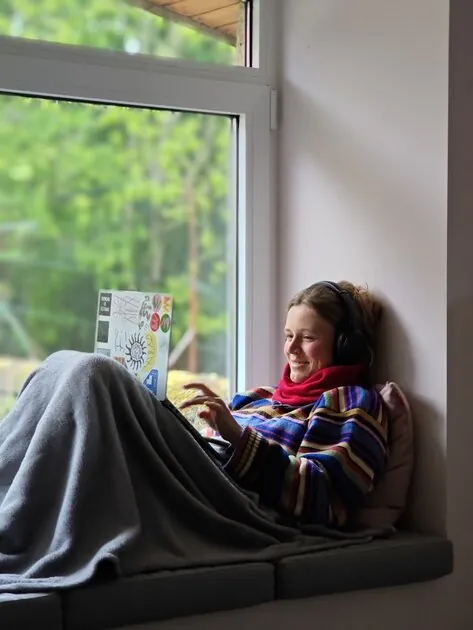
Anceu Coliving
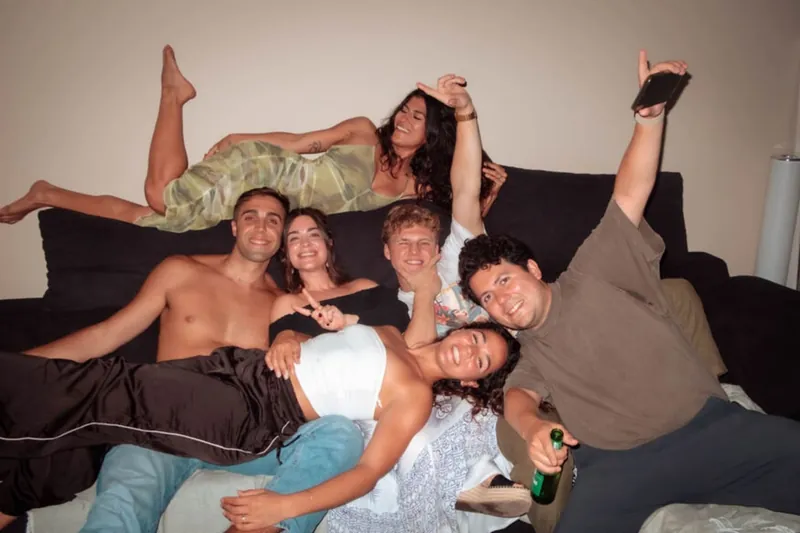
Banama
BelVillage

Bencomo Coliving
Where to stay in Tarifa
Old Town (Casco Antiguo)
Whitewashed Moorish streets, tapas bars, and the main plaza. Most coliving spaces and cafes are here. Walking distance to everything. Can be windy — Tarifa earns its nickname 'the wind capital of Europe.' Charming but noisy on weekend nights.
Playa de los Lances
The long beach stretching north from town. Kite schools, beach bars, and newer developments. Better for wind-sports enthusiasts who want to step out the door and be on the water. More spread out — a bike or car helps.
Facinas / Countryside
Inland villages 10-15 minutes from Tarifa. Rural fincas and cortijos converted to coliving or rental properties. Quieter, cheaper, with mountain views. You'll need a car but get space, nature, and lower rents.
Monthly expenses in Tarifa
| Private room (coliving) | €550-950/month |
| Studio apartment | €500-900/month |
| Coworking membership | €80-150/month |
| Meal at local restaurant | €8-14 |
| Coffee | €1.20-2 |
| Beer at a bar | €2-4 |
| Monthly groceries | €200-300 |
Quick facts
Last verified: May 2026. Prices and availability change — always check with operators directly.
Common Questions
Is the wind really that bad?
It's not bad — it's the point for many people. Tarifa gets 300+ windy days per year, making it world-class for kitesurfing and windsurfing. If you don't do wind sports, the levante (east wind) can be intense and irritating after several days. But the poniente (west wind) is gentler and brings calm, clear weather.
Can I work remotely from Tarifa?
Yes, but with caveats. Fiber internet is expanding but not universal — some older buildings in the old town still have slow ADSL. Coworking spaces and newer colivings have reliable connections. The town is small, so your coworking options are limited compared to cities. For most remote workers, it works fine.
How do I get to Tarifa?
Fly to Malaga (2h drive), Jerez (1h drive), or Gibraltar (30min). No train station. Bus connections exist but are infrequent. Having a car opens up the entire Costa de la Luz and day trips to Morocco (Tangier ferry is 35 minutes).